Top 5 Planogram Execution Mistakes Retailers Make (And How Technology Fixes Them)

In today’s ultra-competitive retail environment, visual merchandising isn’t just a nice-to-have — it’s a strategic differentiator. A well-executed planogram ensures products are placed in the right way, in the right place, at the right time. This drives sales, improves customer experience, and boosts operational efficiency.
However, despite years of investment in retail execution teams and manual audits, many retailers still struggle with planogram compliance and shelf inefficiencies. Why? Because execution gaps persist, often hidden beneath daily store chaos — until it’s too late.
In this blog, we’ll explore the top 5 planogram execution mistakes retailers make and show how modern technology — especially Analyticsmart — prevents execution gaps, maximizes shelf potential, and supercharges retail performance.
1. Mistake #1: Inconsistent Planogram Compliance
The Problem
Planograms are designed to improve product visibility, category flow, and shopper experience. But across hundreds or thousands of stores, consistent execution becomes a major challenge. Different store associates interpret instructions differently. Some follow them perfectly; others don’t. And managers don’t always know what’s happening on the ground until it’s too late.
Common symptoms include:
- Missing products
- Incorrect facings
- Misaligned fixture placement
- Wrong product adjacency
These inconsistencies undermine the whole purpose of the planogram. Even small deviations can reduce sales potential dramatically — especially for high-priority SKUs.
How Technology Fixes It
This is where Analyticsmart’s real-time execution monitoring steps in.
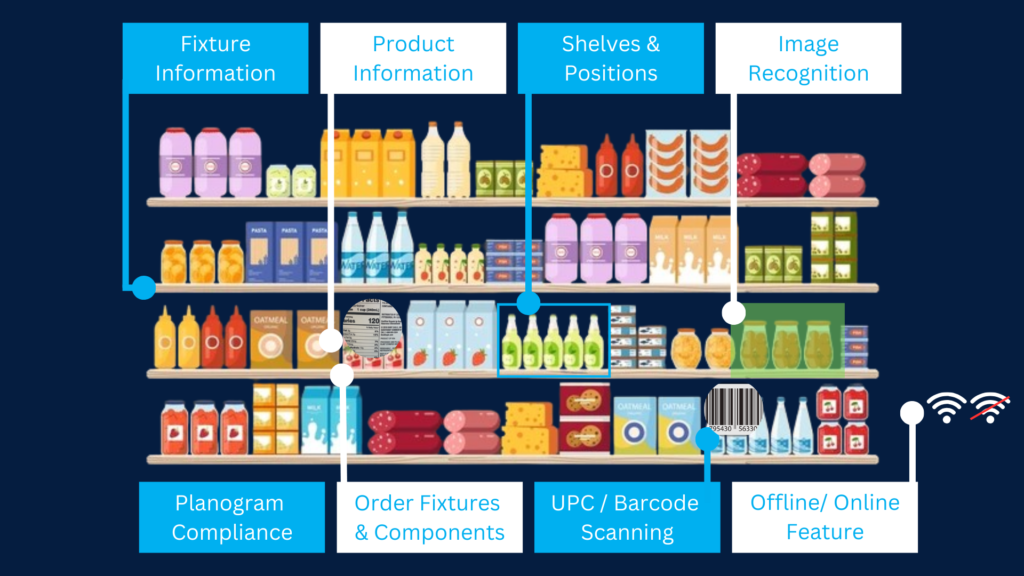
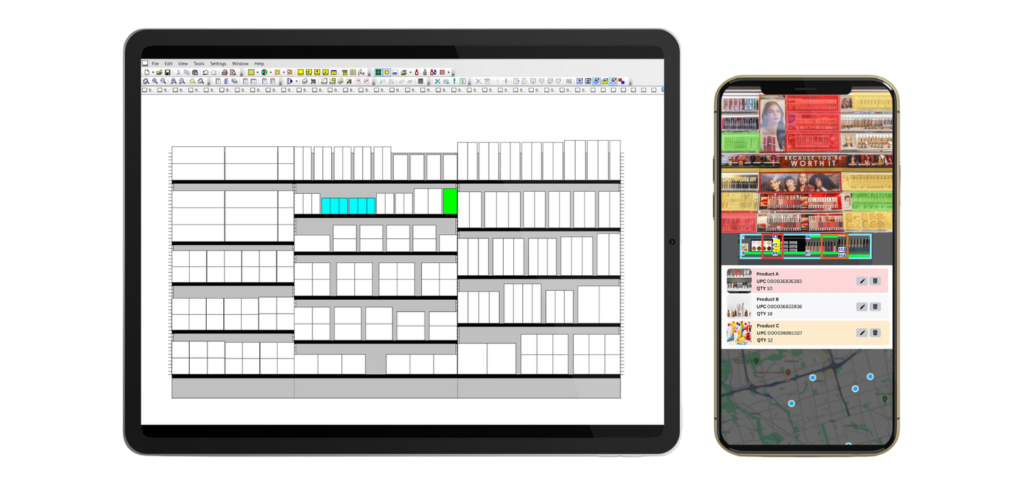
Digital planogram management tools with image recognition and mobile auditing enable field teams to capture shelf conditions instantly. Stores upload photos of shelves to the Analyticsmart app. The platform then uses intelligent visual analysis to automatically compare store execution against the approved planogram.
Benefits:
- Instant detection of compliance issues
- Reduction in time spent manually auditing shelves
- Standardized execution across all locations
- Alerts for non-compliance so corrective action can be taken immediately
With Analyticsmart, retailers no longer have to rely on guesswork or infrequent manual checks — they always know what’s on the shelf.
2. Mistake #2: Slow and Inaccurate Manual Audits
The Problem
Traditional retail audits involve store visits, paper checklists, and manual data entry. These are time-consuming, error-prone, and provide outdated data by the time it reaches HQ or category teams. Store teams often feel overwhelmed and choose shortcuts — leading to incomplete, inconsistent data.
Delayed and inconsistent reporting hurts:
- Demand forecasting
- Replenishment planning
- Category performance insights
By the time someone spots a mistake, the sales opportunity may already be missed.
How Technology Fixes It
Analyticsmart transforms audits from a burden into a strategic advantage.
Using mobile digital forms and automated scoring, field teams can complete audits quickly and accurately. Store associates simply scan shelves, answer guided questions, and upload photos. The Analyticsmart backend applies logic rules and AI to validate the data in real time.
Smart features include:
- Digital checklists with built-in logic
- Real-time scoring and compliance dashboards
- Photo tagging and SKU recognition
- Automated corrective action workflows
Instead of looking in the rear-view mirror, retailers using Analyticsmart gain forward-looking insights that enable proactive decisions.
3. Mistake #3: Reactive, Not Proactive, Product Placement
The Problem
Many retailers discover planogram issues only after a problem hurts sales or causes stockouts. They react to customer complaints or lagging KPIs — not before. By then, lost sales and unhappy shoppers are already a reality.
This reactive approach stems from:
- Long audit cycles
- Lack of real-time visibility
- Disconnected store-HQ communication
In a world where shopper preferences change rapidly, delayed reactions simply won’t keep pace.
How Technology Fixes It
Analyticsmart gives retailers continuous visibility into shelf conditions, enabling them to be proactive instead of reactive.
The platform’s live dashboards highlight:
- Out-of-stock conditions as they occur
- Planogram deviations detected instantly via photo analytics
- Stores that frequently underperform on execution
This empowers retail leaders to:
- Trigger replenishment before stockouts occur
- Coach store teams showing recurrent execution issues
- Adjust planograms based on real-time shopper behavior
With Analyticsmart, retailers can solve problems before they become revenue drains.
4. Mistake #4: Disconnect Between Field and HQ Teams
The Problem
Communication gaps between store associates and corporate teams are an often-overlooked execution failure. Stores face challenges daily, but head office teams rarely get actionable data fast enough to help. Instead, decisions are made based on stale spreadsheets, annual reviews, or gut feelings.
This disconnect leads to:
- Headquarters unaware of field realities
- Loss of accountability
- Frustrated store teams feeling unheard
- Missed opportunities for coaching and improvement
This lack of alignment impacts operational consistency, morale, and ultimately profit.
How Technology Fixes It
Analyticsmart bridges this gap with collaborative, cloud-based execution tools.
Using a centralized platform, field teams and HQ can:
- Share shelf images and audit results instantly
- Comment, assign follow-ups, and track corrective action
- Generate real-time reports tailored to stakeholders
Analyticsmart also enables:
- Role-based access so HQ sees overview dashboards while store managers see actionable tasks
- Automated alerts for HQ when issues arise
- Digital feedback loops that speed learning and accountability
The result? A connected retail ecosystem where knowledge flows both ways and execution excellence becomes a shared goal — not a burden.
5. Mistake #5: Under-Utilizing Analytics to Drive Continuous Improvement
The Problem
Retailers collect tons of data — audit scores, planogram compliance rates, SKU performance, traffic counts — but too often this data sits in silos or stale reports. Without advanced analytics, this information doesn’t translate into meaningful insights.
Teams struggle to answer:
- Which execution errors are costing the most?
- Which stores consistently underperform?
- What planogram changes improve sales?
- How do execution metrics correlate with revenue?
Without these answers, opportunities for improvement slip through the cracks.
How Technology Fixes It
Analyticsmart turns raw data into actionable intelligence.
Using built-in analytics, retailers can:
- Track key performance indicators (KPIs) over time
- Benchmark stores and visualize trends
- Identify root causes behind execution failures
- Simulate impact of changes before rollout
The platform’s intuitive dashboards and customizable reports make insights accessible to:
- Category managers
- Visual merchandising teams
- Field supervisors
- Executive leadership
Analyticsmart doesn’t just show what’s wrong — it reveals why it’s wrong and how to fix it.
Why Technology — Especially Analyticsmart — Matters Now More Than Ever
The retail landscape is shifting faster than ever before:
- Shopper expectations are higher
- E-commerce is reshaping in-store behavior
- Categories are becoming more complex
- Competition for every sale is fierce
In this environment, traditional planogram execution methods — paper audits, spreadsheets, periodic manual visits — simply cannot keep up.
Retailers that continue to rely on legacy processes risk:
- Revenue leakage from poor shelf execution
- Shrinking margins due to inefficiencies
- Lower customer satisfaction
- Weaker competitive positioning
That’s where Analyticsmart comes in.
How Analyticsmart Solves These Execution Mistakes
Here’s a quick breakdown of the alignment between the mistakes above and how Analyticsmart fixes them:
| Planogram Execution Mistake | Analyticsmart Solution |
|---|---|
| Inconsistent compliance | Real-time visual planogram verification |
| Slow, inaccurate manual audits | Mobile digital audits with automated scoring |
| Reactive problem solving | Instant alerts and proactive corrective actions |
| Disconnect between field and HQ | Centralized communication & collaboration |
| Under-utilized data | Advanced analytics & actionable insights |

Real-World Impact: What Retailers Gain
Retailers that use Analyticsmart experience transformative benefits across operations and profitability:
📈 Better Sales and Category Growth
Accurate planogram execution ensures high-performing SKUs get the visibility they deserve. Better execution equals higher conversion and increased basket size.
🕒 Time Savings for Field Teams
Digital tools replace manual checklists. Field reps spend less time gathering data and more time supporting performance improvements.
💡 Improved Decision Confidence
Leadership teams can trust the data and take decisive action — whether it’s a planogram update or focused coaching for a store team.
🔁 Continuous Improvement Loops
With historical and real-time analytics, retailers can test, learn, and optimize — driving ever-higher performance.
Best Practices for Getting Started with Planogram Technology
If your organization is still evaluating shelf execution tools, here are a few best practices to ensure a smooth, high-impact rollout:
1. Train teams early and often
Equip field and store associates with the skills to use digital tools confidently.
2. Define clear compliance KPIs
Metrics give teams something to rally around and track progress.
3. Integrate with existing retail systems
Connect Analyticsmart to POS, inventory, and ERP for richer insights.
4. Start with high-impact categories
Pilot in areas where execution has historically been weakest.
5. Review insights collaboratively
Use Analyticsmart dashboards in weekly ops meetings to drive accountability.
Conclusion: Eliminate Execution Gaps, Maximize Shelf Efficiency
Planogram execution mistakes are not just operational issues — they directly affect sales, shopper experience, and competitive advantage. Manual processes, delayed audits, and disconnected teams compound the problem.
But it doesn’t have to be this way.
With Analyticsmart, retailers gain accuracy, speed, visibility, and insight — the full technology stack needed to prevent execution gaps and eliminate shelf inefficiencies. Instead of reacting to problems, your teams will anticipate and solve them before they impact your bottom line.
Retail success isn’t just about having a great planogram — it’s about executing it everywhere, every time. And Analyticsmart ensures you do just that.
