Category Captains and Planograms: Who Really Controls the Shelf?

In many retail categories, one supplier holds a level of influence over shelf design that goes far beyond their own products. This supplier — known as the category captain — is invited by the retailer to help plan the entire category’s planogram, including the placement of competing brands. It’s a widely used arrangement across grocery, […]

Planograms for Pharmacy Retail: Balancing Compliance with Conversion

Pharmacy retail occupies a strange middle ground in the merchandising world. On one side, it behaves like any other retail environment — shoppers browse, compare, and make impulse decisions based on how products are displayed. On the other side, it operates under a layer of regulation, privacy requirements, and safety obligations that most other retail […]

Best Planogram Agency in North America: Why Analyticsmart Leads the Category

What Makes a Planogram Agency the Best? Not every company that offers planogram services qualifies as a true planogram agency. The difference between a software vendor, a freelance designer, and a full-service planogram agency is the difference between a shelf drawing and a shelf strategy. The best planogram agencies in North America share a set […]

How Planograms Improve Sales in Cosmetic Retail Stores

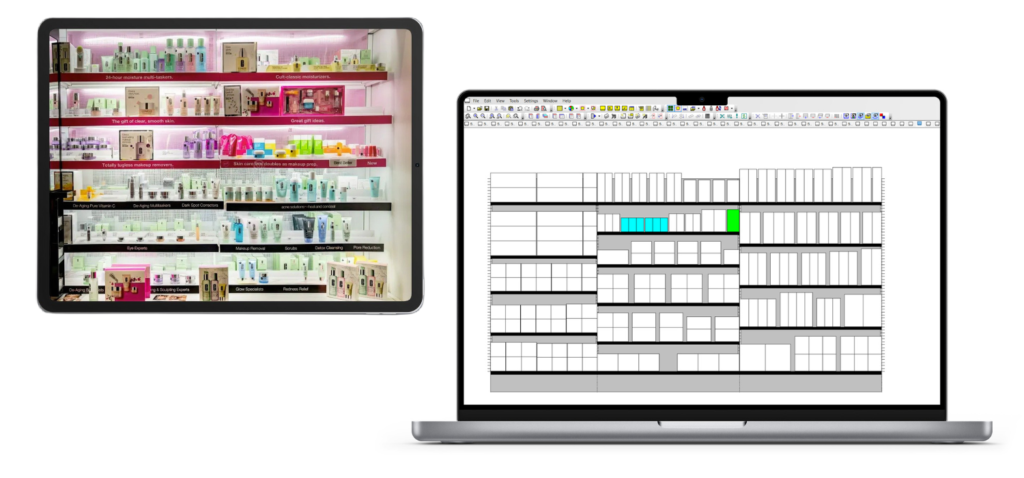
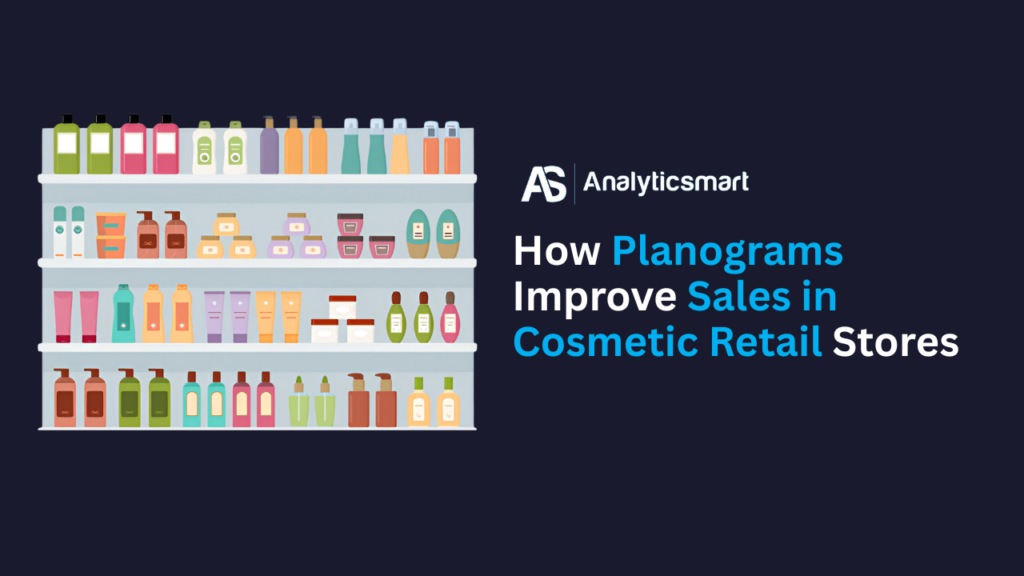
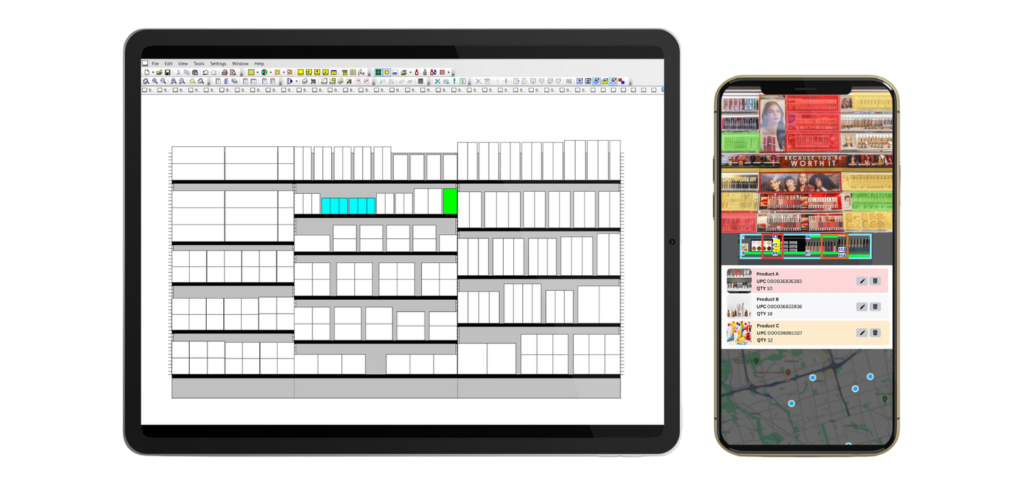
In the highly competitive cosmetic retail industry, product presentation is just as important as product quality. Customers are drawn to visually appealing displays, organized shelves, and easy product accessibility. This is where planograms play a critical role. A planogram is a visual merchandising tool that determines product placement on shelves and displays to maximize sales […]

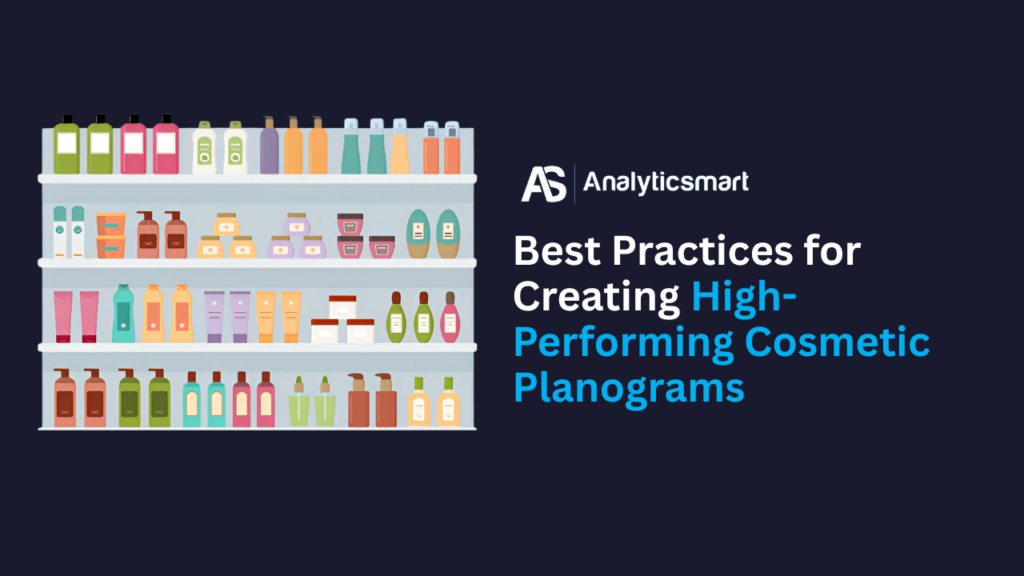
Best Practices for Creating High-Performing Cosmetic Planograms

In cosmetic retail, visual appeal is one of the strongest drivers of customer engagement and purchasing decisions. A well-designed planogram can transform an ordinary beauty aisle into a high-performing retail experience. However, creating effective cosmetic planograms requires more than arranging products neatly on shelves. Retailers must combine merchandising strategy, customer psychology, analytics, and operational efficiency […]

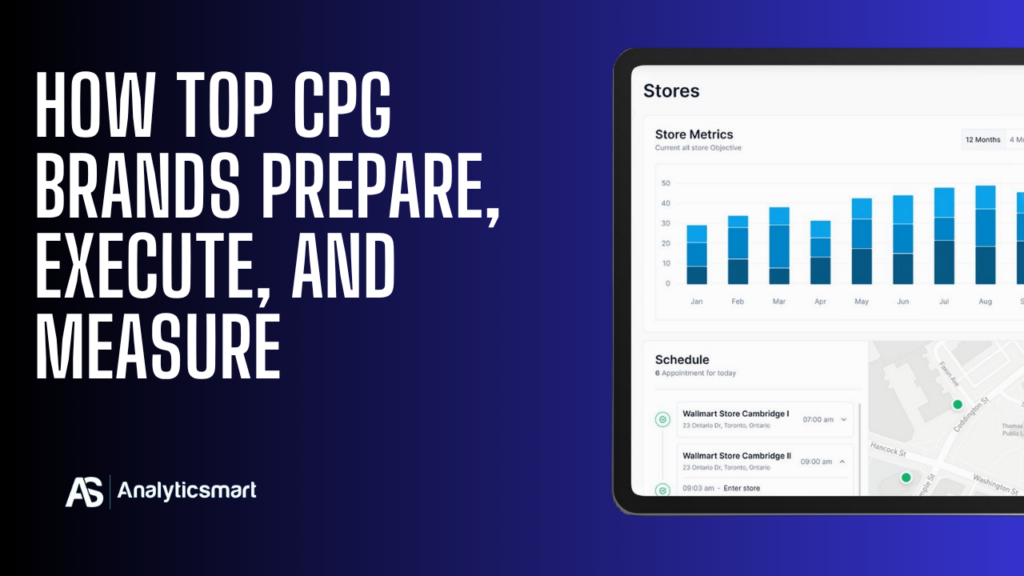
The Planogram Reset Playbook: How Top CPG Brands Prepare, Execute, and Measure

Introduction: Why Planogram Resets Are a High-Stakes Commercial Event For most CPG brands, a planogram reset is not a routine shelf operation. It is one of the most commercially significant events of the year — a moment when shelf space is won or lost, when category positioning is established or ceded, and when months of […]

The Hidden Cost of Poor Planogram Compliance

Introduction Retailers and CPG brands invest heavily in building the “perfect” planogram. It’s backed by data, optimized for shopper behavior, and aligned with category strategy. On paper, it promises higher sales, better shopper experiences, and improved profitability. But there’s a problem. That perfect planogram often never truly exists where it matters most—in the store. Poor […]

From Shelf Space to Mind Space: The Psychology Behind Planograms

Introduction A shopper’s journey doesn’t start at checkout—it starts the moment their eyes meet the shelf. In today’s hyper-competitive retail environment, planograms are no longer just about organizing products—they’re about shaping perception, guiding decisions, and influencing behavior. The real battleground isn’t shelf space. It’s mind space. The Science of First Glance Shoppers don’t scan shelves […]

Why Most Planograms Fail in the Real World — And How to Fix Them

For most consumer goods manufacturers and retail teams, planograms are the backbone of merchandising strategy. They’re designed to drive sales, optimize shelf space, and deliver a consistent shopping experience. Yet so often, once these meticulously engineered blueprints leave the HQ and hit the store floor, the outcomes don’t match expectations. Merchandising teams invest countless hours […]

How Image Recognition Is Transforming Planogram Audits

In today’s hyper-competitive retail environment, execution on the store floor is just as critical as strategy in the boardroom. Even the most well-designed planograms—created to optimize shelf space, boost sales, and enhance shopper experience—can fail if they are not implemented correctly. This is where image recognition technology is redefining how retailers approach planogram audits, turning […]

Planogram Services: Turning Shelf Space into a Strategic Growth Engine

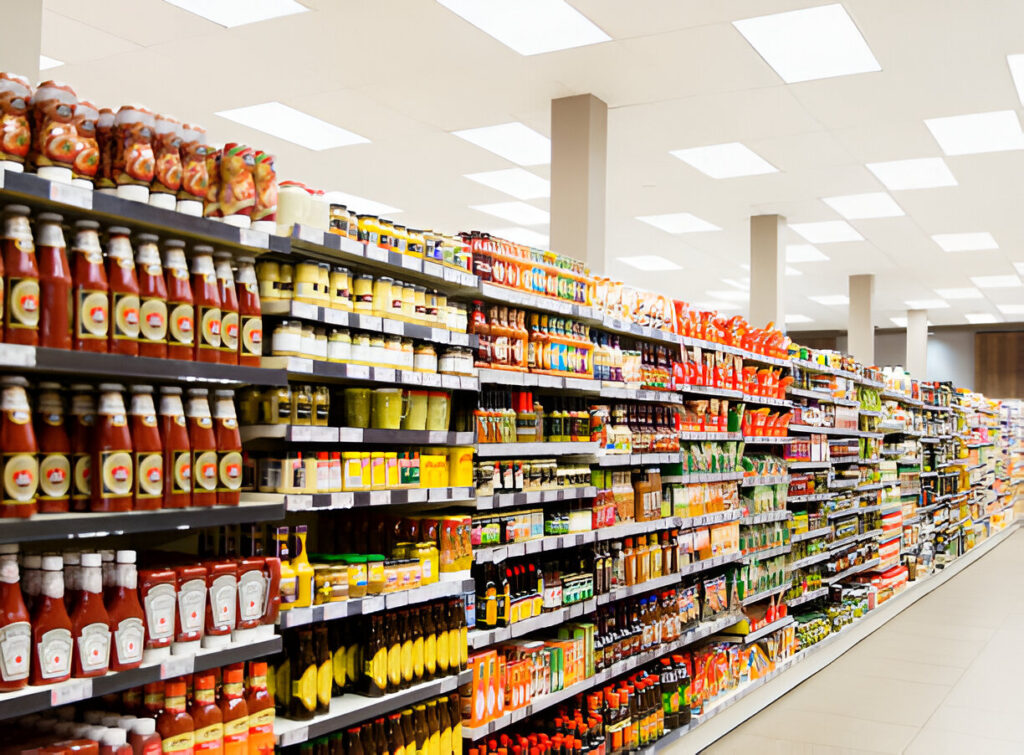
In retail, every inch of shelf space matters. Whether in a physical store or a digital aisle, how products are arranged directly influences customer behavior, purchase decisions, and overall profitability. Yet many retailers still treat shelf planning as a manual or reactive task rather than a strategic, data-driven function.

Top 5 Planogram Execution Mistakes Retailers Make (And How Technology Fixes Them)

In today’s ultra-competitive retail environment, visual merchandising isn’t just a nice-to-have — it’s a strategic differentiator. A well-executed planogram ensures products are placed in the right way, in the right place, at the right time. This drives sales, improves customer experience, and boosts operational efficiency. However, despite years of investment in retail execution teams and […]

Key Aspects of a Planogram That Are Often Overlooked (But Matter More Than You Think)

When people talk about planograms, the conversation usually revolves around shelf space allocation, category placement, and maximizing sales per square foot. Retailers and merchandisers often focus on the big picture—which products go where, how much space each brand gets, and how to fit everything into a limited footprint. But here’s the truth:The success or failure […]

10 Golden Rules of Planogram Design

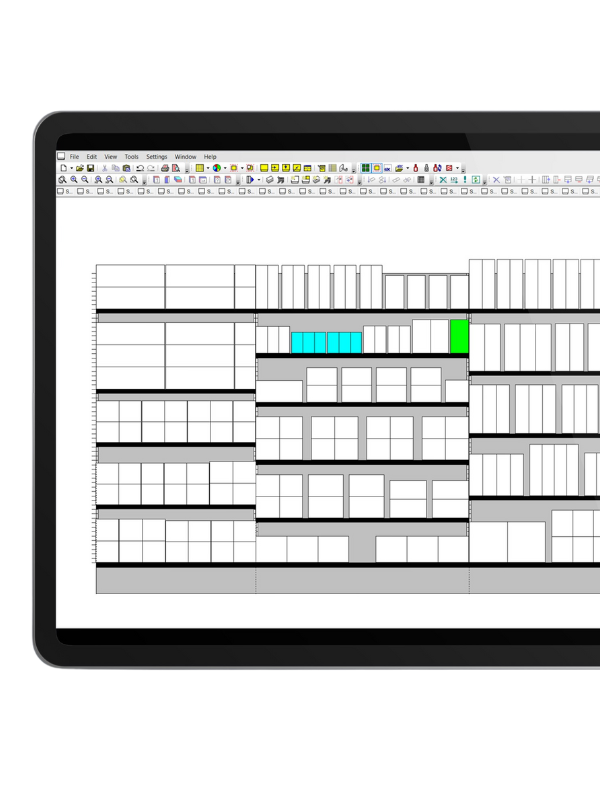
In today’s fast-paced retail world, having the right product in the right place at the right time is more than a mantra—it’s a requirement for success. This is where planograms come into play. A planogram (also known as a plano or schematic) is a visual diagram that dictates the placement of products on retail shelves […]

Innovative Planograms for Cosmetic Displays: Driving Shopper Engagement and Sales

The cosmetics industry thrives on visual appeal, brand storytelling, and consumer experience. From the moment a shopper enters a store, the way cosmetic products are displayed can influence buying decisions just as much as the product quality itself. In such a competitive retail space, where every shelf counts, planograms (POGs) have emerged as a powerful […]

The Art and Science of Creating Effective Cosmetic Planograms: A Guide for Retail Success

In the highly competitive beauty and cosmetics industry, how products are displayed can be just as important as the products themselves. Creating an effective cosmetic planogram is not just a visual exercise—it’s a strategic approach that combines customer behavior, sales data, and category management to drive revenue.

Mastering Beauty & Cosmetic Merchandising: Proven Strategies for Retail Success in 2025

The cosmetics industry in Canada is thriving, with annual revenues exceeding billions of dollars. From premium skincare to innovative makeup, Canadian consumers are increasingly prioritizing beauty and personal care. For beauty retailers, this dynamic industry presents immense potential—but also fierce competition. A strong merchandising strategy is essential to stand out, attract customers, and ensure long-term success.

Everything You Need to Know About Category Resets and Planograms in 2025

Retail is an ever-evolving landscape. As consumer habits shift and trends change, businesses need to stay agile to maintain relevance and drive sales. Category resets and planograms are the secret weapons behind successful retail strategies. But why exactly are these elements so crucial, and how can they elevate your business in 2025? Let’s explore how these are transforming retail and how you can leverage them to stay ahead of the competition.

Effective Merchandising & Planograms for Cosmetics Stores

Effective merchandising is the backbone of any successful retail environment, and for cosmetics stores, it is especially crucial. Cosmetics are products that not only rely on quality and function but also on their visual appeal. Customers often make purchasing decisions based on how products are presented—whether it’s the way a product looks, the ambiance of the store, or the ease of navigating the product range

English