
How Planograms Improve Sales in Cosmetic Retail Stores
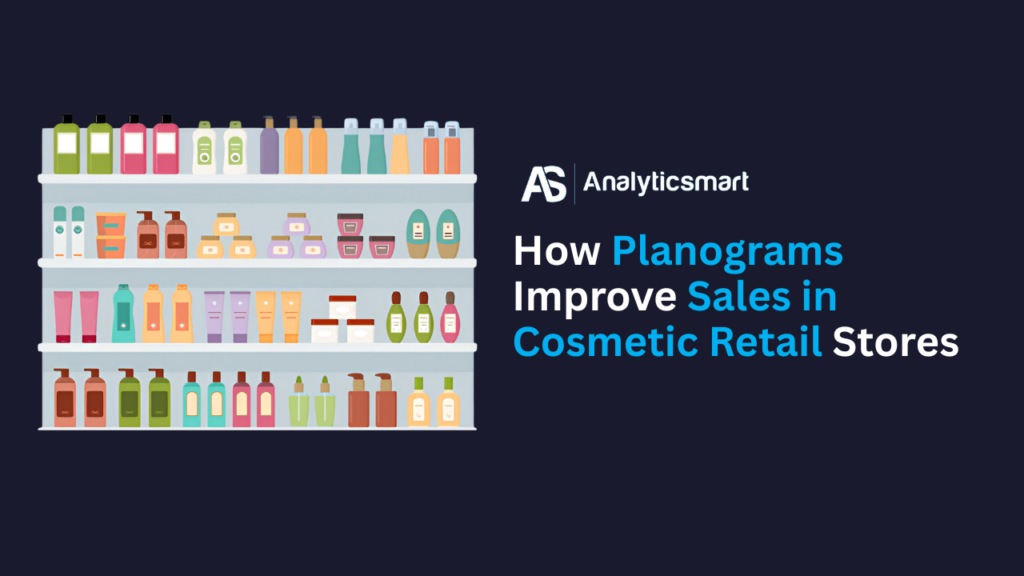
In the highly competitive cosmetic retail industry, product presentation is just as important as product quality. Customers are drawn to visually appealing displays, organized shelves, and easy product accessibility. This is where planograms play a critical role. A planogram is a visual merchandising tool that determines product placement on shelves and displays to maximize sales and improve customer experience.
For cosmetic retailers, where hundreds of SKUs compete for shopper attention, effective planograms can significantly impact revenue, customer engagement, and inventory management. Retailers today are increasingly combining planogram strategies with retail analytics to optimize store performance.
What Is a Planogram?
A planogram is a schematic representation of how products should be displayed in retail stores. It outlines where each product should be placed, how much shelf space it should occupy, and how displays should be organized.
In cosmetic retail, planograms help organize:
- Makeup products
- Skincare collections
- Haircare ranges
- Beauty tools
- Fragrance displays
The goal is to create a visually appealing and shopper-friendly environment that encourages purchases.
Why Planograms Matter in Cosmetic Retail
Cosmetic shoppers are heavily influenced by visual merchandising. Unlike grocery retail, beauty customers often browse, compare shades, test products, and explore new launches. A well-designed planogram improves the shopping journey by making products easier to locate and more attractive.
Key benefits include:
- Increased product visibility
- Better customer engagement
- Higher conversion rates
- Improved stock rotation
- Reduced shelf clutter
- Enhanced brand consistency
Boosting Product Visibility
Shelf placement directly affects sales. Products positioned at eye level tend to sell faster because they naturally attract customer attention. Cosmetic retailers use planograms to prioritize:
- High-margin products
- Bestsellers
- New launches
- Promotional items
For example, placing trending lipsticks near checkout counters can encourage impulse purchases.
Improving Customer Experience
Modern consumers expect convenience and personalization. Planograms help create organized and intuitive product layouts that improve navigation.
Examples include:
- Grouping products by category
- Arranging shades from light to dark
- Creating dedicated skincare routines
- Separating premium and budget products
An organized shelf reduces customer frustration and increases browsing time.
Increasing Sales Through Cross-Merchandising
Planograms enable strategic product pairing. Cosmetic retailers often place complementary products together to encourage basket expansion.
Examples:
- Foundation beside primer
- Lip liner near lipstick
- Moisturizer next to serum
This approach increases average order value while simplifying product discovery.
Data-Driven Planogram Optimization
Retail analytics has transformed traditional merchandising. Today’s cosmetic retailers use:
- Sales data
- Heatmaps
- Shopper traffic analysis
- Inventory trends
- Consumer behavior insights
Analytics help determine which products deserve premium shelf positions and which SKUs underperform.
For example, if analytics show that a skincare serum sells better in end-cap displays, retailers can adjust layouts accordingly.
Planogram Compliance Challenges
Despite their benefits, maintaining planogram compliance across multiple stores is challenging. Common issues include:
- Out-of-stock products
- Incorrect shelf placement
- Inconsistent merchandising
- Limited shelf space
Retailers increasingly use AI-powered shelf auditing tools and image recognition technology to monitor compliance.
The Role of Technology in Cosmetic Planograms
Technology is reshaping retail merchandising. Advanced tools now allow retailers to create dynamic and responsive planograms.
Emerging technologies include:
- AI-powered merchandising platforms
- Smart shelves
- Real-time inventory tracking
- Digital shelf analytics
- Computer vision audits
These innovations help cosmetic brands improve execution accuracy and optimize retail performance.
Sustainability and Space Optimization
Sustainability is becoming an important factor in cosmetic retail. Retailers are redesigning shelves to reduce waste and improve product efficiency.
Planograms contribute by:
- Reducing overstocking
- Improving replenishment planning
- Supporting refill stations
- Optimizing packaging displays
Efficient shelf planning also minimizes operational costs.
Conclusion
Planograms are no longer simple shelf diagrams — they are strategic tools that directly influence customer experience, operational efficiency, and revenue growth. In cosmetic retail, where visual presentation drives purchasing decisions, effective planogram execution is essential.
As retailers adopt AI, analytics, and omnichannel strategies, planograms will continue to evolve into intelligent merchandising systems that improve both sales performance and customer satisfaction.
Cosmetic retailers that invest in data-driven planogram strategies will gain a competitive advantage in an increasingly crowded market.
