Blogs
Grocery retail runs on razor-thin margins and enormous SKU counts — a mid-size supermarket can carry thirty thousand or more individual items across dozens of categories, each with its own sales velocity, seasonality pattern, and supplier lead time. In that environment, on-shelf availability isn’t a nice-to-have metric buried in a quarterly report; it’s one of […]
Retail and CPG teams spend enormous energy debating shelf strategy — block sizing, category adjacency, facing counts, planogram flow, and category role. Almost none of that energy goes toward the thing that actually determines whether any of that strategy works in the real world: the underlying product data. A planogram built on outdated SKU dimensions, […]
Specialty retailers operate under a constraint that big-box and grocery chains rarely have to think about: there simply isn’t much room for error. A supercenter with 50,000 square feet can absorb a poorly performing shelf section without much consequence — it’s a small fraction of the total footprint. A specialty store with 1,500 square feet […]
In many retail categories, one supplier holds a level of influence over shelf design that goes far beyond their own products. This supplier — known as the category captain — is invited by the retailer to help plan the entire category’s planogram, including the placement of competing brands. It’s a widely used arrangement across grocery, […]
Walk into any home improvement store and watch how people actually shop. Almost nobody arrives with a single item on their list. A customer picking up a gallon of paint is also thinking about brushes, painter’s tape, drop cloths, and maybe a new roller. Someone buying lumber for a deck is quietly running through a […]
Pharmacy retail occupies a strange middle ground in the merchandising world. On one side, it behaves like any other retail environment — shoppers browse, compare, and make impulse decisions based on how products are displayed. On the other side, it operates under a layer of regulation, privacy requirements, and safety obligations that most other retail […]
There is a line item missing from most retail P&L statements. It does not appear as a charge, a write-off, or an expense. It shows up as sales that never happened — revenue that walked out the door because a product was on the wrong shelf, a promotion was set up incorrectly, or a facing […]
As brands grow their retail footprint, a recurring strategic question emerges: should planogram design be built in-house, or managed by a specialist agency? The answer depends on several factors — and for most mid-market and growth-stage brands, the agency model consistently wins on cost, speed, quality, and retail outcomes. This article examines the real-world trade-offs […]
There is a quiet disengagement epidemic running through retail field teams. It shows up in missed tasks, inconsistent store execution, high turnover, and managers who feel like they are constantly chasing their teams for updates. The irony is that most field reps are not lazy — they are bored. When every day looks the same […]
What Makes a Planogram Agency the Best? Not every company that offers planogram services qualifies as a true planogram agency. The difference between a software vendor, a freelance designer, and a full-service planogram agency is the difference between a shelf drawing and a shelf strategy. The best planogram agencies in North America share a set […]
Imagine sending your field rep to audit 12 stores in a single day. They snap photos, scribble notes, and by the time those reports land on a manager’s desk — it’s 48 hours later, the promotion window is closing, and three stores still have the wrong products on the wrong shelf. Sound familiar? This is […]
For decades, planograms have been one of the foundational tools of retail merchandising. Traditionally viewed as simple visual guides that instructed stores where products should be placed, planograms served a straightforward purpose: create consistency across locations and ensure products were displayed according to company standards. Today, however, planograms have evolved far beyond shelf diagrams. In […]
For decades, merchandising was viewed primarily as an operational discipline. Field teams visited stores, checked product placement, verified promotions, corrected pricing discrepancies, and reported issues back to headquarters. While these activities remain critical, the retail landscape has fundamentally changed. Today, retailers and Consumer Packaged Goods (CPG) brands operate in an environment where every shelf decision […]
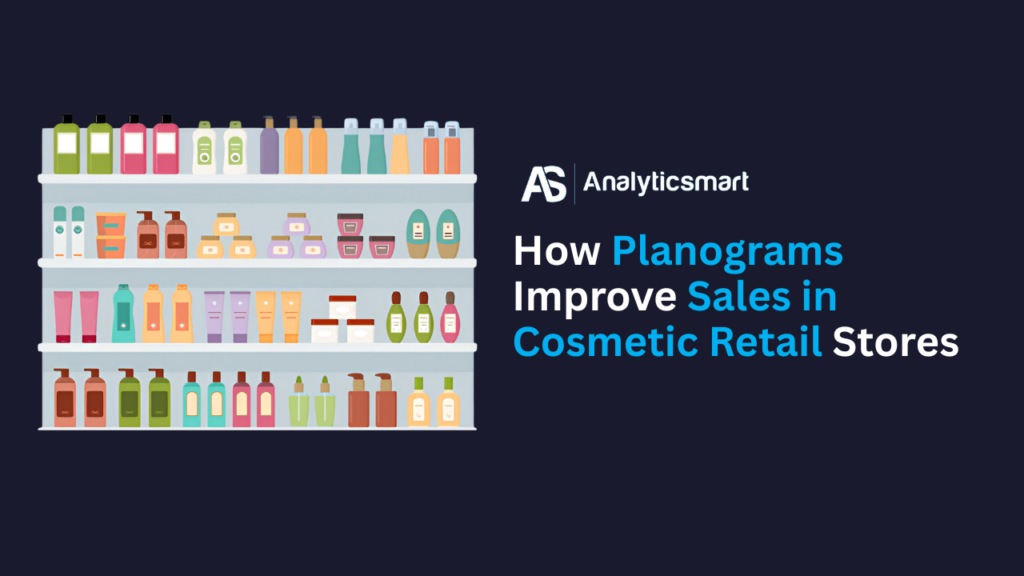
In the highly competitive cosmetic retail industry, product presentation is just as important as product quality. Customers are drawn to visually appealing displays, organized shelves, and easy product accessibility. This is where planograms play a critical role. A planogram is a visual merchandising tool that determines product placement on shelves and displays to maximize sales […]
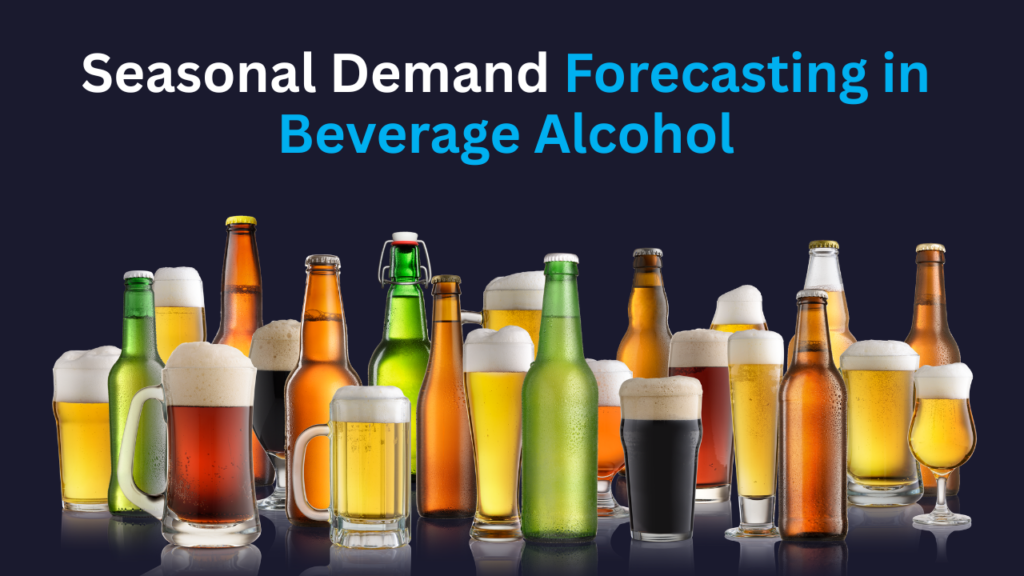
The season always comes. The question is whether you were ready for it. Every buyer in beverage alcohol knows what is coming. Summer means ready-to-drink and light beer. November means whiskey gifting. December means Champagne. January means nothing moves. These patterns repeat year after year, with enough consistency that you would think planning for them […]
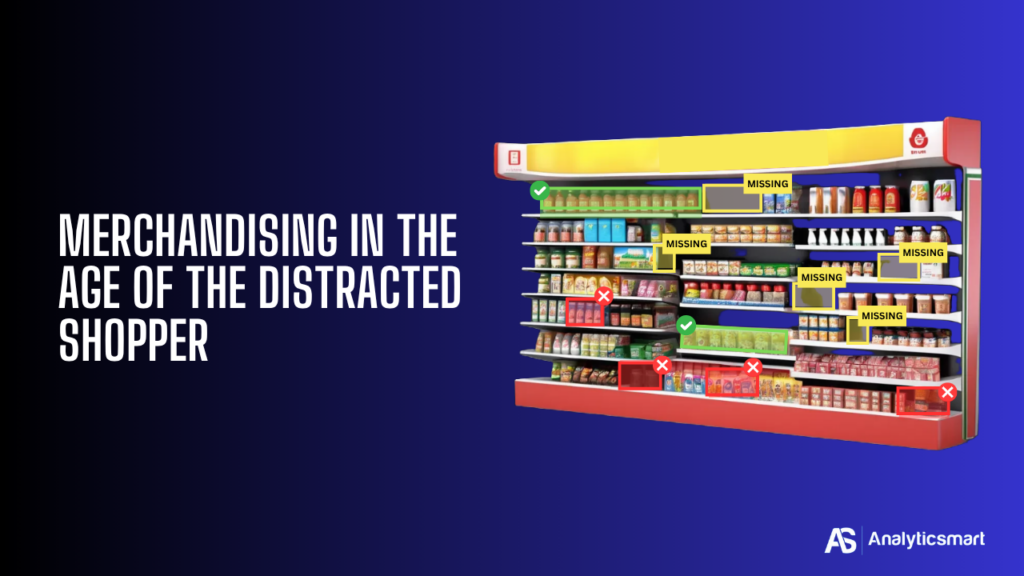
Your shopper has already decided before they reach your shelf. Here’s what that means for retail and CPG brands — and how data-driven merchandising wins back the moment that matters. The three-second problem The average shopper makes a purchase decision in under three seconds at the shelf. They are not reading your label copy. They […]
Your product earned its buzz online. Now comes the hard part. The definitive guide to planograms for DTC and indie beauty brands entering mass and specialty retail for the first time. What is a planogram — and why does it matter in beauty? A planogram is a precise, visual map of how products should be […]
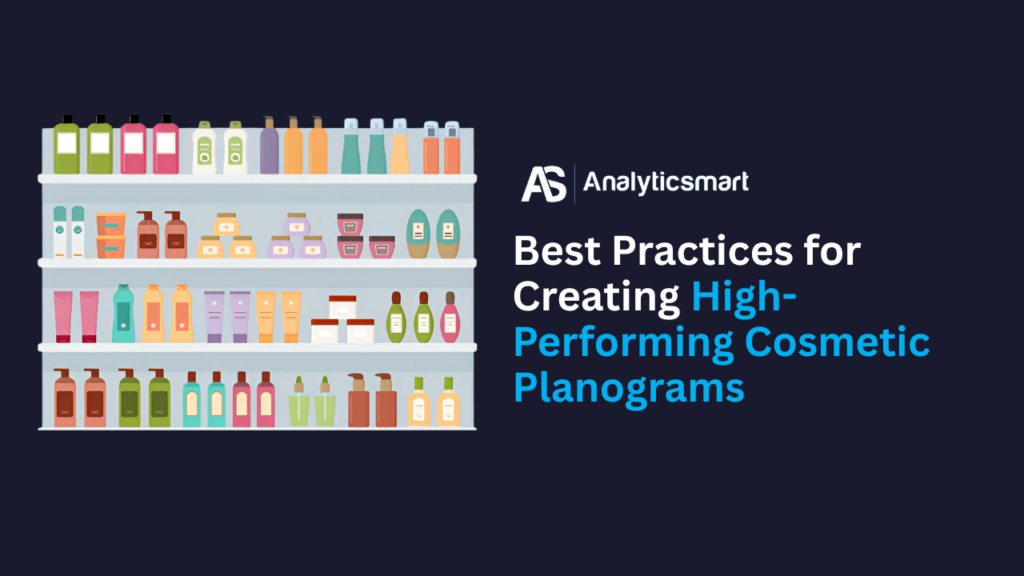
In cosmetic retail, visual appeal is one of the strongest drivers of customer engagement and purchasing decisions. A well-designed planogram can transform an ordinary beauty aisle into a high-performing retail experience. However, creating effective cosmetic planograms requires more than arranging products neatly on shelves. Retailers must combine merchandising strategy, customer psychology, analytics, and operational efficiency […]
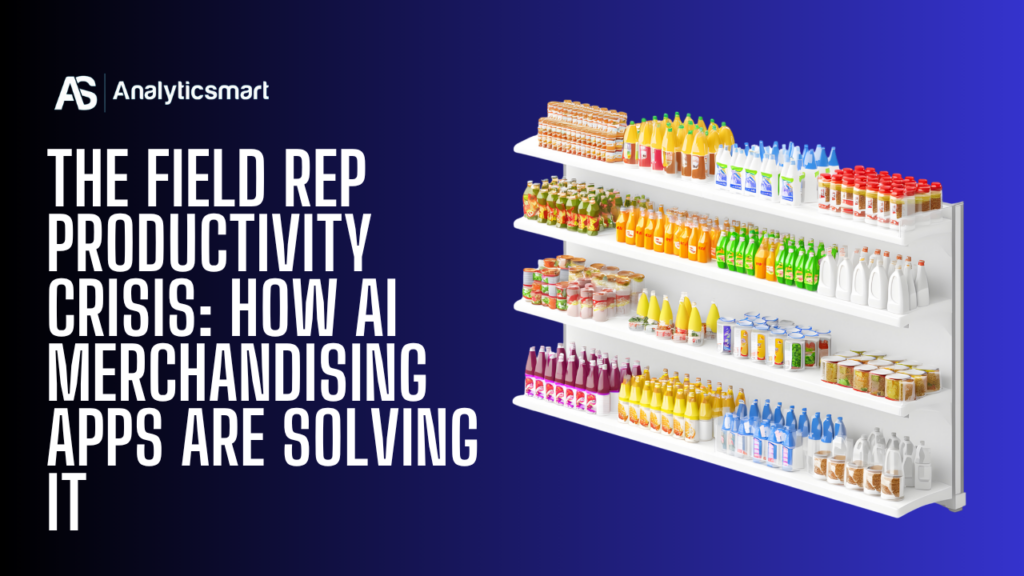
Introduction: The Productivity Problem Nobody Wants to Admit For years, consumer packaged goods companies have invested heavily in building larger field teams, expanding retail coverage, and increasing store visit frequency. The assumption has always been straightforward: more field activity leads to better execution, stronger retailer relationships, and ultimately higher sales. But there is a growing […]
Introduction: Why Planogram Resets Are a High-Stakes Commercial Event For most CPG brands, a planogram reset is not a routine shelf operation. It is one of the most commercially significant events of the year — a moment when shelf space is won or lost, when category positioning is established or ceded, and when months of […]
In home and personal care, the shelf is everything. It’s the last three seconds of marketing. It’s where years of product development, brand investment, and consumer research either pay off — or get ignored. A shopper standing in the haircare aisle isn’t reading your brand story. They’re scanning. And in those few seconds, shelf placement, […]
The beverage alcohol industry doesn’t forgive slow decisions. A distributor shifts shelf placement. A competitor drops a promotion. A key account goes cold. By the time the quarterly report hits the boardroom, the damage is done. For decades, alcohol beverage companies have operated in silos — sales data in one system, account history in another, […]
Introduction: The CRM Problem Hiding in Plain Sight Walk into the sales technology stack of most mid-to-large beverage alcohol brands, and you will find the same story: a generic CRM — Salesforce, HubSpot, or Microsoft Dynamics — that has been customized, patched, and workarounded into something that almost handles the complexity of the three-tier distribution […]
Introduction: Category Growth Starts at the Shelf Category management has always been about understanding how products perform in context — how a shelf set influences shopper behavior, how assortment decisions drive basket size, and how placement affects conversion. For decades, the data to make those decisions well was either unavailable or arrived too late to […]
Introduction: The Shelf Is Still Where Brands Win or Lose Despite the explosion of e-commerce, more than 80% of consumer packaged goods sales still happen in physical stores. The shelf remains the most important real estate a brand owns — and yet, for most CPG companies, it remains chronically under-managed. Manual store audits happen too […]
Introduction Retailers and CPG brands invest heavily in building the “perfect” planogram. It’s backed by data, optimized for shopper behavior, and aligned with category strategy. On paper, it promises higher sales, better shopper experiences, and improved profitability. But there’s a problem. That perfect planogram often never truly exists where it matters most—in the store. Poor […]
Introduction A shopper’s journey doesn’t start at checkout—it starts the moment their eyes meet the shelf. In today’s hyper-competitive retail environment, planograms are no longer just about organizing products—they’re about shaping perception, guiding decisions, and influencing behavior. The real battleground isn’t shelf space. It’s mind space. The Science of First Glance Shoppers don’t scan shelves […]
The numbers are hard to ignore. Across beer, wine, and spirits, the same uncomfortable story is playing out: dollar sales are declining alongside volume.
The beverage alcohol industry is more competitive and complex than ever before. From craft spirits and local breweries to global wine brands, companies are fighting for limited shelf space and consumer attention in retail stores. At the same time, brands must navigate a multi-tier distribution system, fragmented data sources, and constantly changing consumer preferences. In […]
For decades, retail merchandising was guided by experience, instinct, and historical sales reports. Senior buyers relied on “what worked last year.” Store managers trusted their gut to decide shelf placement. Promotions were planned based on seasonal memory rather than predictive insight. But retail has changed. Today’s consumer is dynamic, digitally influenced, price-sensitive, and unpredictable. Supply […]