
Best Practices for Creating High-Performing Cosmetic Planograms
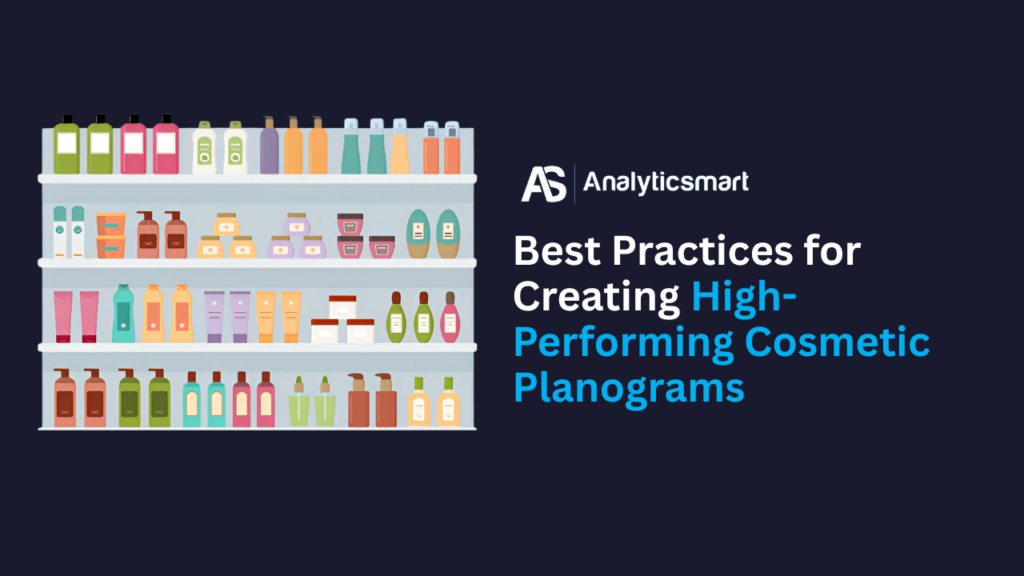
In cosmetic retail, visual appeal is one of the strongest drivers of customer engagement and purchasing decisions. A well-designed planogram can transform an ordinary beauty aisle into a high-performing retail experience.
However, creating effective cosmetic planograms requires more than arranging products neatly on shelves. Retailers must combine merchandising strategy, customer psychology, analytics, and operational efficiency to maximize results.
This blog explores the best practices for building high-performing cosmetic planograms that improve sales and enhance shopper experience.
Understand Customer Shopping Behavior
The first step in designing a successful planogram is understanding how beauty customers shop.
Cosmetic shoppers often:
- Browse visually
- Compare shades
- Explore new launches
- Seek convenience
- Follow beauty trends
Retailers should analyze customer movement patterns, dwell times, and buying habits to create layouts that align with shopper behavior.
Prioritize Eye-Level Placement
Eye-level shelves receive the highest visibility and engagement. Retailers should reserve these premium spaces for:
- Bestselling products
- High-margin items
- New launches
- Seasonal collections
Lower shelves can be used for bulk inventory or less popular SKUs.
Use Color Blocking Strategies
Color plays a critical role in cosmetic merchandising. Grouping products by shade families creates visually attractive displays that simplify product discovery.
Examples:
- Nude lipstick collections together
- Skincare grouped by packaging color
- Foundation arranged by skin tone gradient
Color blocking improves aesthetics and encourages browsing.
Create Logical Product Groupings
Products should be organized in a way that mirrors customer routines.
Examples:
- Cleansers → Toners → Moisturizers
- Primer → Foundation → Concealer
- Shampoo → Conditioner → Hair serum
Logical sequencing improves convenience and increases cross-selling opportunities.
Incorporate Cross-Merchandising
Cross-merchandising encourages customers to purchase complementary products.
Effective combinations include:
- Makeup brushes near foundation
- Eyeliner beside mascara
- Sunscreen near moisturizers
This strategy increases basket size and improves customer satisfaction.
Optimize Shelf Space with Analytics
Retail analytics helps retailers allocate shelf space based on product performance.
Metrics to analyze include:
- Sales per SKU
- Shelf productivity
- Stock turnover
- Customer demand trends
High-performing products should receive more shelf space, while underperforming items may need repositioning or removal.
Maintain Consistency Across Stores
Brand consistency is critical in cosmetic retail. Standardized planograms ensure customers experience the same product organization across all store locations.
Consistency also improves:
- Inventory management
- Staff training
- Brand identity
- Operational efficiency
Use Digital Planogram Tools
Modern planogram software simplifies merchandising execution and updates.
Benefits include:
- Real-time updates
- Automated shelf planning
- Performance tracking
- AI-driven recommendations
Retailers can quickly adjust layouts based on sales trends and inventory changes.
Focus on Seasonal Merchandising
Cosmetic purchasing behavior changes throughout the year. Retailers should update planograms for:
- Holiday gifting
- Summer skincare
- Festive makeup collections
- Back-to-school beauty products
Seasonal merchandising keeps stores visually fresh and relevant.
Improve Planogram Compliance
Even the best planogram is ineffective without proper execution. Retailers should conduct regular audits to ensure shelves match approved layouts.
Technology solutions such as image recognition and mobile auditing apps help improve compliance accuracy.
Conclusion
High-performing cosmetic planograms combine visual merchandising, customer psychology, and data analytics to create engaging shopping experiences.
Retailers that invest in strategic shelf planning can improve sales, strengthen brand consistency, and increase customer satisfaction. As beauty retail becomes increasingly competitive, optimized planograms will remain a critical driver of retail success.
