
Planograms with a Purpose: Designing Cosmetic Displays that Tell a Brand Story
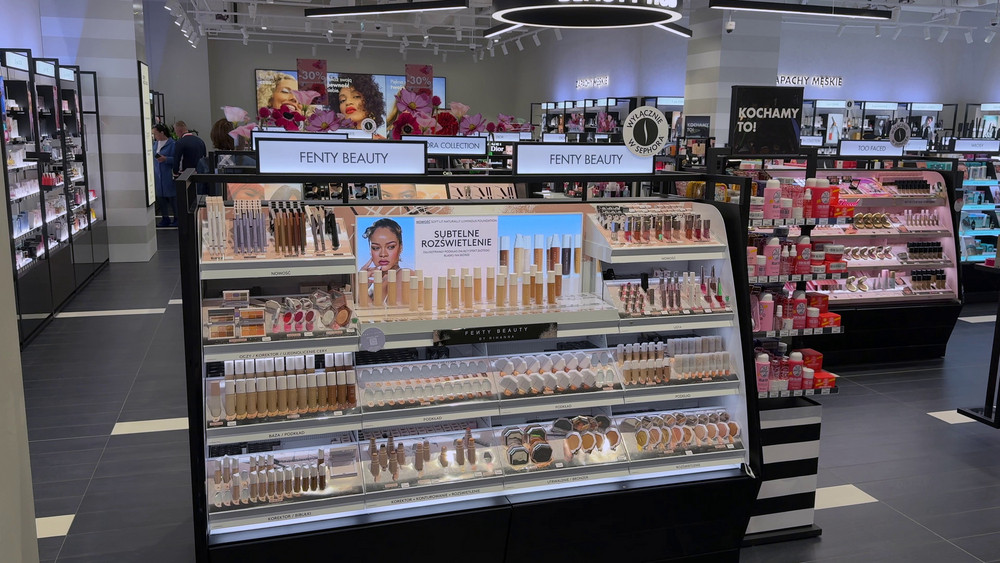
In the fast-paced, visually driven world of cosmetics retail, every inch of shelf space is prime real estate. While price, product quality, and marketing campaigns all play vital roles in sales performance, the in-store presentation — particularly the planogram — can be a silent powerhouse in influencing shopper decisions.
But in a crowded cosmetics market where hundreds of products compete for attention, planograms need to be more than just a layout map. They should tell a brand’s story — evoking emotion, creating curiosity, and ultimately guiding the customer from interest to purchase.
This is where the concept of “Planograms with a Purpose” comes in. It’s not just about where products go; it’s about why they’re placed there and how that placement reflects the brand’s identity.
Why Storytelling Matters in Cosmetic Merchandising
Cosmetics aren’t purely functional purchases. They’re deeply tied to self-expression, confidence, and aspiration. A customer choosing a lipstick shade isn’t just buying colour — they’re buying how it will make them feel, the identity it projects, and the story it helps them tell about themselves.
When planograms are designed with storytelling in mind:
- Shoppers connect emotionally before they even try the product.
- Displays feel curated rather than cluttered.
- Customers can intuitively find products that “fit” their lifestyle or mood.
In short, a planogram that tells a brand story transforms passive browsing into an active brand experience.
The Anatomy of a Story-Driven Planogram
To design a cosmetics planogram that goes beyond product organization, you need to integrate three key elements:
1. Brand Identity Translation
The planogram should act as a visual translator of the brand’s essence. Is the brand luxurious, playful, eco-conscious, or bold? Each personality type will dictate display colours, lighting, signage, and even shelf height placement.
- Luxury brands might use minimal, symmetrical layouts, gold accents, and plenty of white space.
- Youth-focused brands might opt for energetic colour blocking, dynamic product groupings, and playful typography.
2. Consumer Journey Mapping
Instead of simply placing products by category, think of the shopping journey: discovery → trial → comparison → purchase.
For example:
- Entry-level shelves could highlight hero products or “new & trending” items.
- Eye-level zones could carry the brand’s top sellers or seasonal must-haves.
- Lower shelves might feature refills or value packs for returning customers.
3. Emotional Touchpoints
Your planogram should create mini “moments” where shoppers feel something — whether it’s curiosity from a new launch, excitement from a bold colour collection, or comfort from a natural ingredient story.
Steps to Building a Purpose-Driven Cosmetic Planogram
Here’s a framework to make sure your planograms don’t just guide products but guide emotions and actions.
Step 1: Define the Brand Story
Every cosmetic brand has a narrative — innovation, sustainability, empowerment, artistry, or heritage. This story must be reflected in your product grouping and display hierarchy.
Example:
A clean beauty brand might arrange products in a way that mirrors their natural ingredient origins — skincare on one side, makeup on the other, with plant-based visuals in between.
Step 2: Align Product Hierarchy with Consumer Priorities
Not all products deserve equal space. Purpose-driven planograms assign prominence based on:
- Profitability
- Brand image importance
- Seasonal relevance
- Consumer interest spikes (from campaigns or social trends)
Analytics from real-time retail data, like the kind provided by Analyticsmart, can reveal which SKUs deserve prime real estate.
Step 3: Use Visual Storytelling Techniques
Borrow tactics from visual merchandising to enhance the planogram:
- Colour blocking: Arrange products in a gradient or theme to create visual flow.
- The Rule of Three: Display products in sets of three to make the layout feel balanced yet interesting.
- Anchoring: Use flagship products or hero SKUs to “anchor” the visual story.
Step 4: Integrate Seasonal & Campaign Elements
Cosmetic trends shift fast. Your planogram should be flexible enough to accommodate new launches, seasonal shades, and influencer collaborations without losing its core story.
Pro tip: Planogram compliance tools, like Analyticsmart’s mobile-friendly dashboard, ensure every store can adapt these updates quickly and consistently.
Step 5: Make It Shopper-Friendly
A planogram is only successful if it’s easy for the shopper to navigate:
- Group by category but also by use case (e.g., “Daytime Essentials” vs. “Night Out Glam”).
- Keep pricing visible and consistent.
- Place high-touch products at accessible heights for testing.
Common Mistakes in Cosmetic Planogram Design
While crafting beautiful displays is tempting, there are pitfalls to avoid:
- Overcrowding the Display
More products don’t always mean more sales. Overstuffed shelves confuse shoppers and dilute the brand story. - Ignoring Local Market Nuances
A planogram that works in downtown Toronto may flop in suburban Calgary if it doesn’t reflect the local demographic’s needs. - Static Layouts
Cosmetics is a trend-driven industry. A “set it and forget it” approach means missed opportunities for seasonal spikes. - Lack of Compliance Monitoring
Even the best planogram fails if stores don’t execute it correctly. Without a tool to track compliance, brand consistency suffers.
The ROI of Purpose-Driven Planograms
When planograms are strategically designed to tell a story, brands can see measurable results:
- Higher Planogram Compliance: Stores are more motivated to execute a layout when it feels purposeful and visually appealing.
- Boost in Basket Size: Thoughtful product adjacencies encourage upselling (“complete the look” concepts).
- Improved Brand Loyalty: Shoppers associate the brand with a consistent, inspiring experience.
- Faster Category Resets: Clear visual guidelines make seasonal changes smoother for store teams.
Case in Point: Storytelling in Action
Imagine walking into a cosmetics aisle and seeing a section dedicated to “City Lights Collection” — a limited-edition range inspired by nightlife in New York.
- Lipsticks arranged in a bold red-to-purple gradient mimic city sunsets.
- Eye shadow palettes are flanked by neon signage.
- A “Get the Look” display card shows how the products work together.
This is more than merchandising — it’s immersive branding, and it all starts with a planogram designed with intention.
How Analyticsmart Makes Story-Driven Planograms a Reality
Creating purpose-driven planograms is both an art and a science. The creative side comes from understanding brand storytelling, but the science comes from data.
Analyticsmart’s merchandising platform empowers cosmetics brands by:
- Tracking Planogram Compliance: Get real-time photos and reports from stores to ensure your vision is executed perfectly.
- Identifying High-Performing SKUs: Use sales and compliance data to decide which products deserve premium shelf space.
- Streamlining Category Resets: Roll out seasonal or campaign updates to multiple locations quickly and consistently.
- Custom Reporting: See the ROI of merchandising decisions with clear, visual reports.
With Analyticsmart, you can stop guessing and start designing planograms backed by hard data and flawless execution.
Final Thoughts
In cosmetics, where products compete on allure, not just function, planograms with a purpose are essential. A display that simply “fits” products into a shelf wastes the chance to build an emotional connection with shoppers. But a display that tells a story invites customers to step into the brand’s world — and take a piece of it home.
By blending storytelling with data-backed placement, cosmetics brands can transform every shelf into a brand ambassador. And with tools like Analyticsmart, those purposeful designs can be executed consistently, monitored effectively, and optimized continuously.
Because in beauty retail, the story you tell on the shelf might just be the one that sells.
