
Innovative Planograms for Cosmetic Displays: Driving Shopper Engagement and Sales
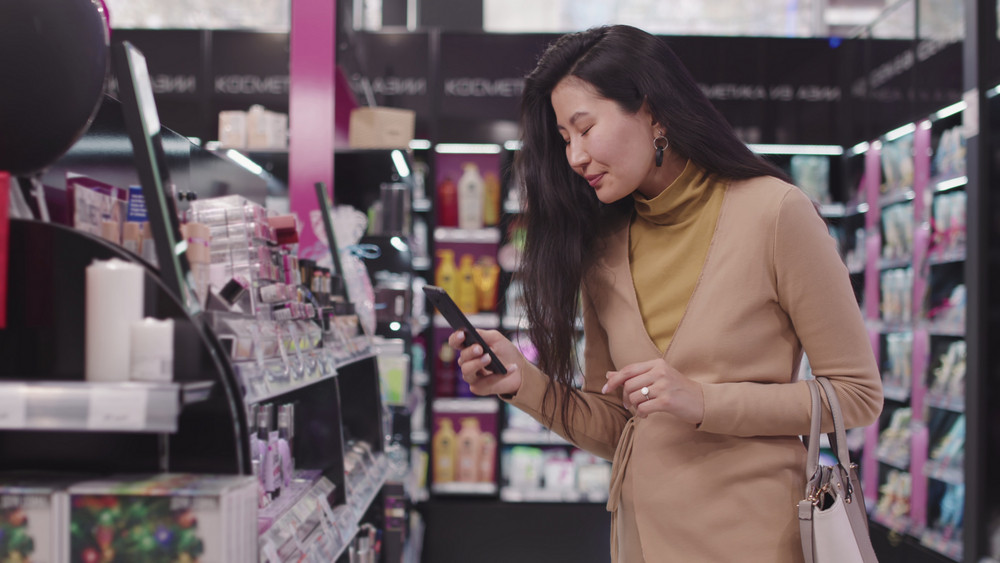
The cosmetics industry thrives on visual appeal, brand storytelling, and consumer experience. From the moment a shopper enters a store, the way cosmetic products are displayed can influence buying decisions just as much as the product quality itself. In such a competitive retail space, where every shelf counts, planograms (POGs) have emerged as a powerful tool to optimize merchandising strategies, enhance shopper journeys, and boost category performance.
But today’s retail environment demands more than static shelf maps. Retailers and cosmetic brands need innovative, data-driven planograms that reflect changing consumer behavior, seasonal trends, and omnichannel integration. This blog explores how innovative planograms for cosmetic displays can transform retail performance—and how Analyticsmart is at the forefront of enabling this transformation.
The Unique Challenge of Cosmetic Merchandising
Cosmetics present a merchandising challenge unlike any other retail category. Unlike groceries or household products, cosmetics rely heavily on experience, emotion, and visual aesthetics. Some key challenges include:
- High SKU variety: From shades of lipstick to foundations for different skin tones, cosmetics carry extensive product assortments.
- Seasonal trends: New launches and seasonal shades require frequent resets and display updates.
- Brand competition: Multiple premium and mid-tier brands vie for limited shelf space, each demanding visibility.
- Shopper engagement: Displays must attract attention and encourage trial, not just present products.
In this context, a generic approach to planograms no longer works. Retailers and brands must adopt innovative planogramming strategies tailored for cosmetics to maximize sales and deliver a better customer experience.
Moving Beyond Traditional Planograms
Traditional planograms were static, manually designed diagrams showing how products should be placed on shelves. While useful, they often fail to capture today’s fast-changing retail dynamics.
Innovative planograms, on the other hand, leverage data, technology, and consumer insights to create flexible, interactive, and performance-driven displays. These modern approaches not only guide how shelves should look but also measure how they perform, enabling continuous optimization.
Key innovations driving modern cosmetic planograms include:
- AI & Data-Driven Decisions
Machine learning algorithms analyze sales velocity, category performance, and shopper demographics to suggest optimal product placement. For example, high-margin products can be placed at eye level while seasonal items gain spotlight placement. - Real-Time Adjustments
With connected retail technology, planograms can be updated dynamically to reflect changes in stock, promotions, or new product launches. - Localized Customization
A one-size-fits-all planogram no longer works. Innovative tools allow localization—adjusting displays based on regional preferences, demographics, and even cultural influences. For example, foundation shades most popular in certain geographies can be given more facings locally. - 3D Visualization
Instead of flat diagrams, 3D planograms simulate real shelf experiences. This enables retailers and brand managers to preview displays virtually before executing them in-store. - Integration with Retail Execution
Modern planograms don’t just sit in PDF files. They are integrated into mobile apps for merchandisers, enabling real-time execution tracking, compliance audits, and image recognition.
Why Innovative Planograms Matter in Cosmetics
1. Driving Shopper Engagement
In cosmetics, visual appeal equals conversion. Innovative planograms ensure products are arranged in a way that attracts attention, tells a brand story, and guides shoppers seamlessly through the category. For instance, grouping products by look (e.g., “Summer Glow Collection”) rather than only by brand can inspire cross-selling.
2. Maximizing Shelf Productivity
Every inch of shelf space carries value. Advanced planograms help allocate space based on sales performance and profit margins. Fast movers get prominence while slow movers are managed strategically, ensuring maximum return per square foot.
3. Enabling Seamless New Launches
Cosmetic brands frequently release new shades, limited editions, and seasonal products. Innovative planograms make it easier to integrate these launches quickly, ensuring they don’t get lost in clutter but instead receive prime visibility.
4. Improving Shopper Personalization
Localized and data-driven planograms allow retailers to tailor cosmetic displays to local consumer needs. A store in Toronto might showcase more inclusive skin-tone foundations compared to another in a different region, directly impacting sales and customer satisfaction.
5. Enhancing Compliance and Execution
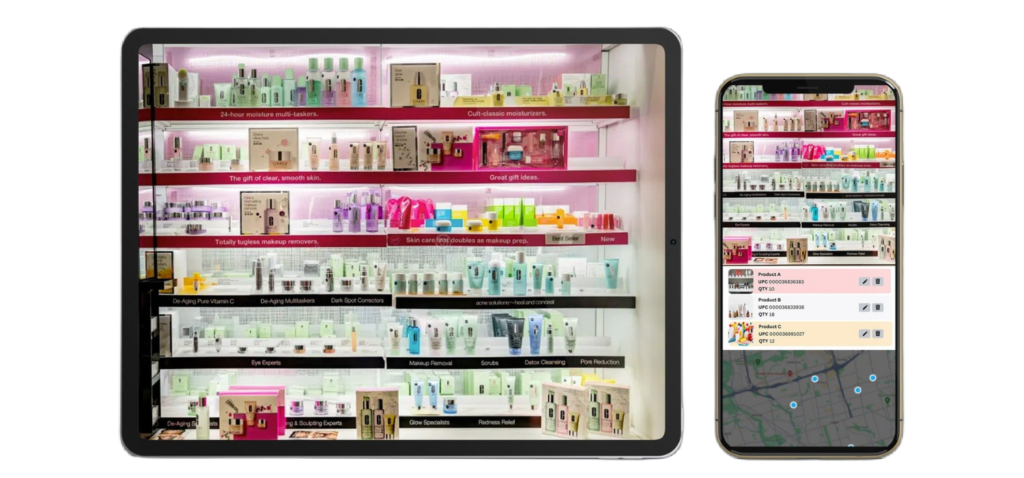
Retailers often struggle with execution gaps—what’s planned vs. what’s executed in-store. With mobile-enabled planogram compliance tools, merchandisers can upload photos of shelves for validation. This reduces execution errors and ensures consistency across stores.
The Role of Technology in Planogram Innovation
Technology has revolutionized how retailers and brands approach planogramming. Some key tech enablers in cosmetics merchandising include:
- Image Recognition: AI tools verify whether shelves match the planogram by scanning real-time photos from the store.
- Augmented Reality (AR): Store managers and merchandisers can visualize new planograms in-store before execution using AR-enabled apps.
- Analytics Dashboards: Retailers can measure planogram performance through dashboards that highlight sales uplift, stockouts, and compliance rates.
- Automation: Instead of manually creating every planogram, automation tools generate optimized layouts for different stores within minutes.
For cosmetics, where innovation cycles are short, technology-driven planograms ensure agility and responsiveness.
Case in Point: Cosmetics Displays That Inspire
Consider two scenarios:
- Traditional Display: Rows of lipsticks by brand, organized by SKU numbers. While functional, it doesn’t inspire engagement or highlight trends.
- Innovative Display: Lipsticks grouped by shade families (nudes, reds, pinks) with integrated mirrors, QR codes linking to tutorials, and hero products at eye level. Supported by a planogram, this display drives both trial and sales.
Such innovative approaches to planograms not only improve the aesthetics of the category but also boost measurable KPIs like sales lift, average basket size, and customer satisfaction.
Analyticsmart’s Approach to Cosmetic Planograms
At Analyticsmart, we understand that the future of cosmetic merchandising lies in data, design, and execution working together. Our planogram solutions for cosmetics are designed to help retailers and brands:
- Leverage Data for Smarter Decisions: AI-powered insights guide assortment, facings, and placement strategies.
- Enable Real-Time Execution: Merchandisers can access, implement, and validate planograms directly through our mobile platform.
- Visualize with 3D Tools: Retailers can preview and optimize displays virtually before rolling them out in stores.
- Ensure Compliance: Our compliance tracking tools ensure every shelf across multiple locations adheres to the brand vision.
- Adapt Quickly: Seasonal launches, promotional campaigns, and regional needs are seamlessly integrated into planograms.
By combining analytics with practical merchandising tools, Analyticsmart empowers cosmetic retailers to achieve greater agility, consistency, and profitability.
The Future of Cosmetic Merchandising
As the beauty industry continues to grow, innovative planograms will become a key differentiator for both retailers and brands. With consumers demanding personalization, immersive experiences, and seamless access to new trends, the role of planograms will evolve further. Expect to see:
- Hyper-personalized planograms driven by shopper loyalty data.
- Sustainability-focused displays that highlight eco-friendly packaging and reduce waste.
- Omnichannel integration, where in-store displays complement e-commerce recommendations.
Ultimately, planograms will no longer just be tools for shelf arrangement—they will be strategic levers that connect data, shopper insights, and brand storytelling.
Conclusion
Cosmetic displays are no longer about filling shelves—they are about inspiring shoppers, boosting sales, and building brand loyalty. Innovative planograms, powered by data and technology, are at the heart of this transformation.
By adopting modern, flexible, and consumer-centric planogram strategies, retailers and cosmetic brands can unlock new levels of shopper engagement and category performance. At Analyticsmart, we’re committed to driving this change by offering intelligent, technology-enabled merchandising solutions that make every shelf count.
The next time you walk into a cosmetics aisle and find yourself inspired by a perfectly curated display—remember, it’s not by chance. It’s the power of innovative planograms at work.
