
10 Golden Rules of Planogram Design
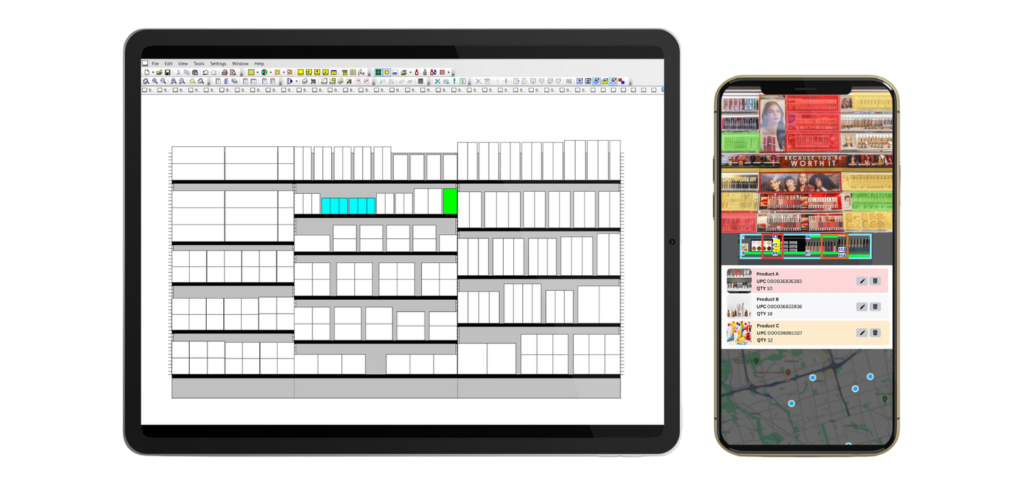
In today’s fast-paced retail world, having the right product in the right place at the right time is more than a mantra—it’s a requirement for success. This is where planograms come into play. A planogram (also known as a plano or schematic) is a visual diagram that dictates the placement of products on retail shelves to maximize sales and efficiency.
At Analyticsmart, we believe that well-executed planograms are a game-changer for brands and retailers alike. But to get the most out of them, you need to follow some foundational principles. Whether you’re new to merchandising or looking to optimize your current strategy, these 10 golden rules of planogram design will help you drive sales, enhance shopper satisfaction, and streamline operations.
1. Start with Data, Not Design
Great planograms are driven by data. Before you start arranging products on a digital shelf, analyze historical sales data, customer demographics, store layout, and category performance. Identify top sellers, seasonal trends, and underperforming SKUs.
A data-first approach ensures your planogram reflects actual shopper behavior—not guesswork. At Analyticsmart, we help retailers make smarter decisions by turning raw data into actionable insights.
2. Understand the Shopper Journey
Shoppers don’t browse shelves randomly—they follow patterns. By mapping out how consumers interact with the store and specific categories, you can design planograms that align with their expectations and preferences.
For example, placing grab-and-go items at eye level or impulse buys near checkout lanes can dramatically increase conversions. The key is to think like your customer and position products where they naturally look.
3. Use the Right Product Placement Hierarchy
Not all shelf space is created equal. Products at eye level get more attention and sell faster—often referred to as the “buy level.” Here’s a basic placement hierarchy to keep in mind:
- Top Shelf: Premium products or lighter items.
- Eye Level (Middle Shelves): Bestsellers and high-margin SKUs.
- Lower Shelves: Bulk items or value products.
- Bottom Shelf: Large packages or kid-focused items.
Planogram design should leverage this hierarchy to boost visibility and profitability.
4. Stick to Category Flow and Adjacencies
A well-organized shelf allows customers to easily find what they’re looking for. Group similar products together and maintain logical category flow—from left to right and top to bottom.
For example, in a beverage aisle, grouping water next to flavored water, then juices, and finally sodas provides a natural progression that mirrors how people think. Poor category flow causes confusion and can lead to missed sales.
5. Prioritize Brand Blocking (When Appropriate)
Brand blocking—placing all products from a single brand together—can be an effective tactic, especially in categories with strong brand loyalty. This technique boosts brand visibility and allows for more impactful packaging displays.
However, brand blocking isn’t always the right choice. In some cases, organizing by product type or price tier may lead to better shopper engagement. Always consider what your customer values most.
6. Account for Store-Specific Variables
No two stores are exactly alike. Regional preferences, store formats, and shopper demographics all influence which planogram will perform best. That’s why localization is essential.
Using localized planograms, you can adapt layouts to fit the unique needs of each store while still maintaining overall brand consistency. This flexibility ensures you’re optimizing shelf space based on real-world conditions.
7. Balance Visual Appeal and Functionality
Planogram design is both an art and a science. A visually appealing display draws attention, but it also needs to be functional. Avoid cluttered shelves and ensure that products are front-faced and easy to reach.
Use color blocking, symmetry, and vertical alignment to create aesthetically pleasing layouts. But always remember—the ultimate goal is to make it easy for customers to buy.
8. Test, Learn, and Iterate
Planograms are not a set-it-and-forget-it tool. The retail environment is dynamic, and what works today may not work tomorrow. That’s why continuous testing is crucial.
Run A/B tests across different stores or regions. Track key performance indicators (KPIs) like sales lift, out-of-stock rates, and shopper dwell time. Use this feedback to refine your planograms and drive ongoing improvement.
9. Enable Collaboration Across Teams
Successful planogram execution involves more than just the merchandising team. Buying, marketing, supply chain, and store operations all play a role. Collaboration ensures that everyone is aligned on objectives, product availability, and timelines.
Modern planogram tools (like those provided by Analyticsmart) allow for real-time collaboration and version control, reducing miscommunication and improving implementation efficiency.
10. Ensure Execution at the Store Level
Even the best-designed planogram is useless if it isn’t executed properly. Ensure that store staff have the training, tools, and time they need to implement the planogram accurately.
Consider using digital shelf auditing tools to verify compliance. These tools allow field reps and managers to capture real-time photos and data, ensuring that your strategy is being executed as planned.
Final Thoughts: Planograms as a Strategic Advantage
In a competitive retail landscape, planograms are no longer just about shelf organization—they’re a strategic tool for maximizing profitability, improving the customer experience, and enhancing operational efficiency.
By following these 10 golden rules of planogram design, retailers and brands can go beyond basic compliance and start delivering meaningful business results. From data-driven insights to flawless in-store execution, every element matters.
At Analyticsmart, we empower retailers with smart planogram solutions tailored to real-world challenges. Whether you’re managing a national retail chain or a regional brand, our platform helps you turn shelf space into sales space.
