
Category Captains and Planograms: Who Really Controls the Shelf?
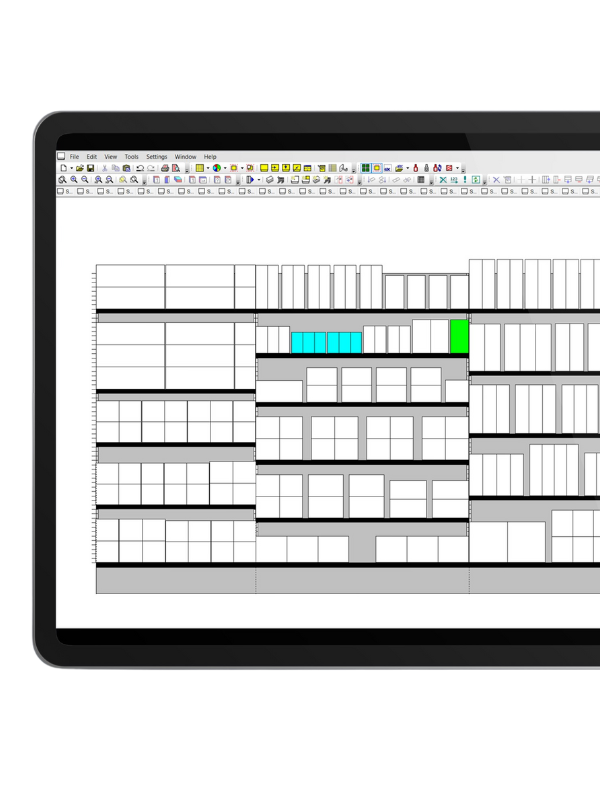
In many retail categories, one supplier holds a level of influence over shelf design that goes far beyond their own products. This supplier — known as the category captain — is invited by the retailer to help plan the entire category’s planogram, including the placement of competing brands. It’s a widely used arrangement across grocery, beverage alcohol, cosmetics, and CPG more broadly, and when it works well, it genuinely improves category performance for everyone involved. When it doesn’t, it raises real questions about who actually controls the shelf.
What a Category Captain Actually Does
A category captain relationship typically starts because a dominant supplier has more category-level data, deeper category expertise, and more resources dedicated to shelf strategy than the retailer’s own team can realistically match. Rather than the retailer designing every category’s planogram in-house, they lean on this supplier’s expertise — sales data, shopper insight research, and planogram design recommendations — to build a layout intended to maximize category-wide performance.
In theory, this benefits everyone. The captain brand has the deepest incentive to understand shopper behavior in the category, the retailer gets sophisticated planogram input without building that expertise internally, and competing brands benefit from a more scientifically designed shelf than they might get from a purely retailer-driven layout with limited category data.
The Built-In Conflict of Interest
The obvious tension is that the category captain is also a competitor within the category they’re advising on. Even with the best intentions, a supplier building planogram recommendations has a structural incentive to favor placements that benefit their own portfolio — better eye-level positioning, larger facing counts, or prime end-cap real estate — sometimes at the expense of a more genuinely optimal, brand-neutral layout.
This doesn’t necessarily mean bad faith. Category captains often do have the best data and the most sophisticated modeling in the category. But “best data” and “unbiased recommendation” aren’t the same thing, and retailers who accept category captain planograms without independent verification are trusting a competitor to grade its own homework.
Why Independent Data Is Becoming Non-Negotiable
This is why more retailers are pushing for independent verification alongside category captain recommendations, rather than accepting them at face value. Two tools in particular have become central to this shift:
- Planogram compliance audits that verify whether the actual in-store execution matches what was proposed — and whether that execution disproportionately favors the captain’s own SKUs beyond what the underlying sales data would justify
- Sales-per-facing analysis conducted independently of the category captain’s own reporting, giving the retailer a neutral basis for evaluating whether the proposed layout is genuinely optimized for total category performance or skewed toward one brand’s interests
Retailers running this kind of independent oversight aren’t necessarily rejecting category captain input outright — they’re using it as one input among several, validated against their own data rather than accepted as the final word.
What This Means for Competing Brands
For brands that aren’t the category captain, understanding this dynamic is essential to negotiating fair shelf space. A brand that assumes the planogram is a neutral, purely data-driven document may be missing an important lever: the retailer’s own compliance and performance data, which can be used to make a case for better placement independent of what the category captain has recommended.
This is particularly important during category resets, when planogram changes are most likely to occur and when a category captain’s influence over the final layout is typically at its highest. Brands that show up to these conversations with their own sell-through data, and a clear understanding of how the proposed layout compares to independently verified compliance and performance metrics, are in a far stronger negotiating position than brands that simply accept whatever placement is proposed.
The Retailer’s Balancing Act
From the retailer’s side, managing category captain relationships well means extracting the genuine expertise benefit — better category-level thinking than an internal team could produce alone — without ceding full control over the shelf. The strongest retail category management functions treat the category captain’s planogram as a well-informed first draft, not a final decision. They layer in their own compliance data, their own sales-per-facing analysis by brand, and their own read of shopper behavior before finalizing a layout.
This requires retailers to maintain enough independent category management capability to meaningfully evaluate what the category captain proposes — which is a genuine resourcing challenge, especially for smaller or mid-sized retailers who may have leaned on category captain relationships precisely because they lacked that internal capability to begin with.
Toward a More Balanced Model
The category captain model isn’t going away — the underlying logic that motivated it, a dominant supplier having superior category data and expertise, still holds in most categories. But the retailers and brands succeeding in this dynamic today are the ones treating category captain recommendations as a valuable input requiring independent verification, not an authoritative final answer. As more retailers build out their own compliance auditing and sales analytics capability, the balance of power on the shelf is shifting — not away from category captains entirely, but toward a model where their influence has to be earned and verified with every reset, rather than assumed indefinitely.
