Airport Retail’s Secret Weapon: Combining Planograms with Merchandising Apps

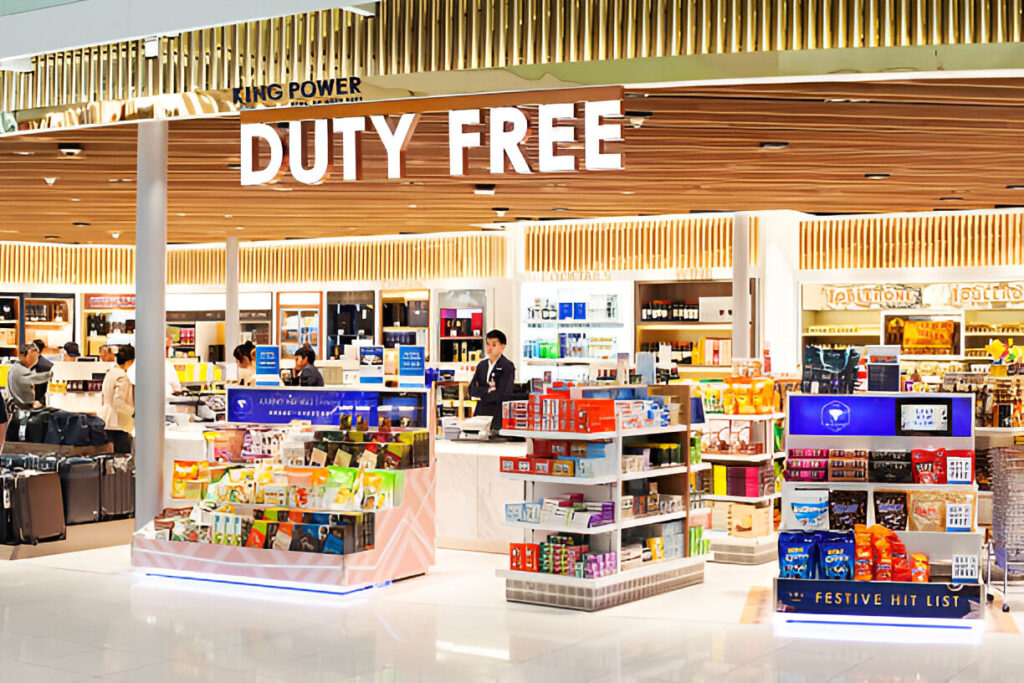
Airport retailing is a unique market with a distinct set of challenges and opportunities. Unlike traditional retail environments, airport stores cater to a diverse range of customers who are often in a hurry, distracted, or unfamiliar with the layout.

Cracking the Beverage Code: Revolutionizing Retail with Analyticsmart

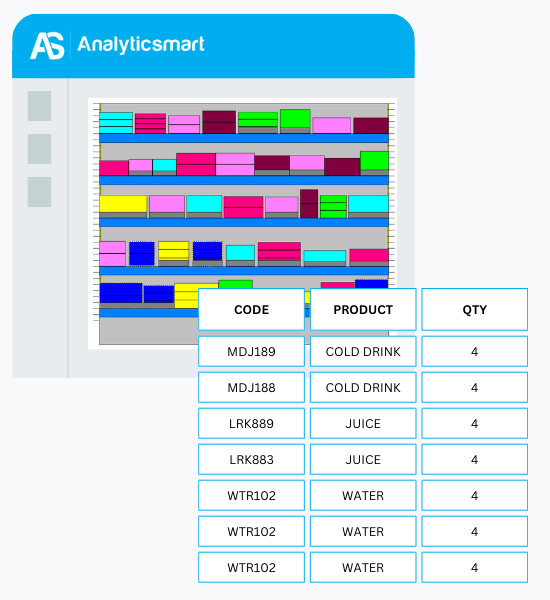
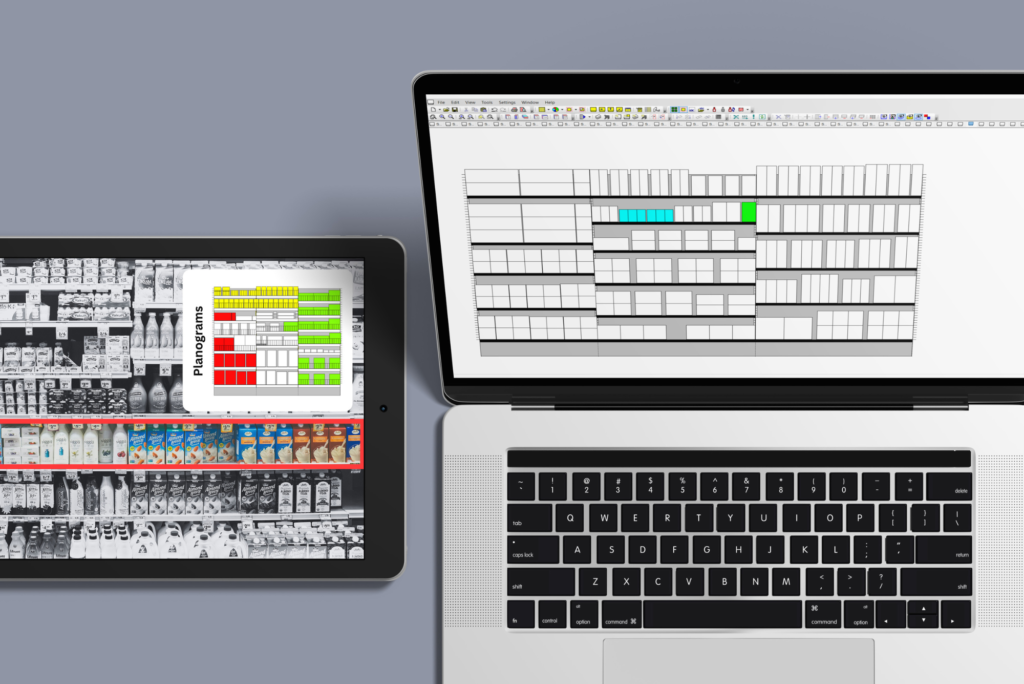
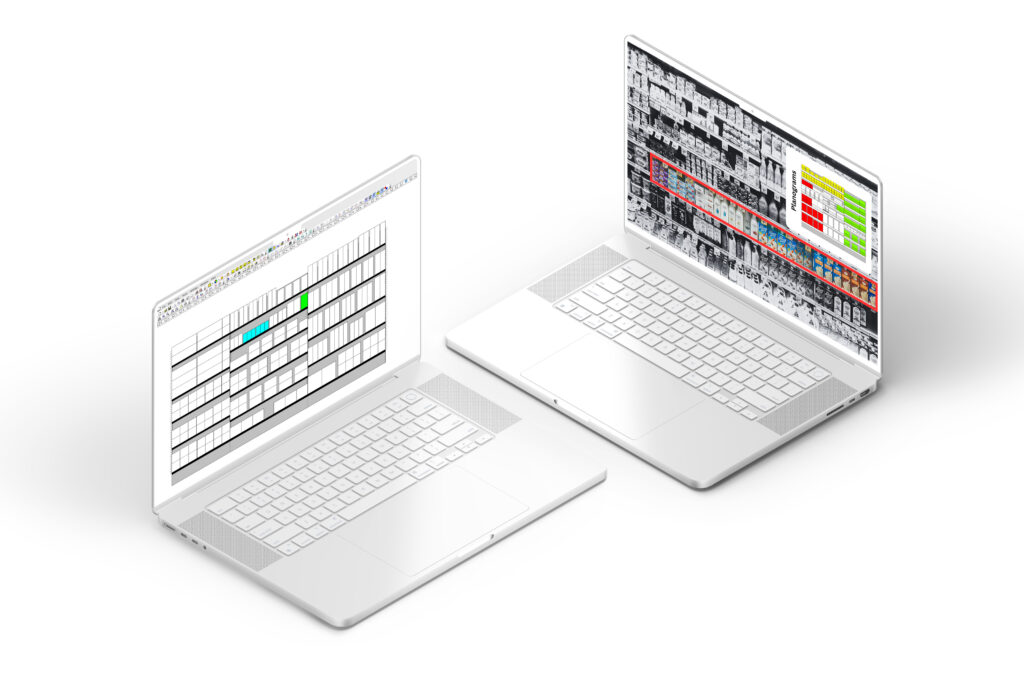
Analyticsmart is more than just a tech company—we’re your partner in success. Whether it’s optimizing product placement with planograms, ensuring shelf compliance and team efficiency with our Merchandising App, or making data-driven decisions with our BI tools, we provide a full suite of solutions to revolutionize your beverage business.

How Poor Planogram Strategy is Costing Your Retail Business—And How Analyticsmart Can Fix It

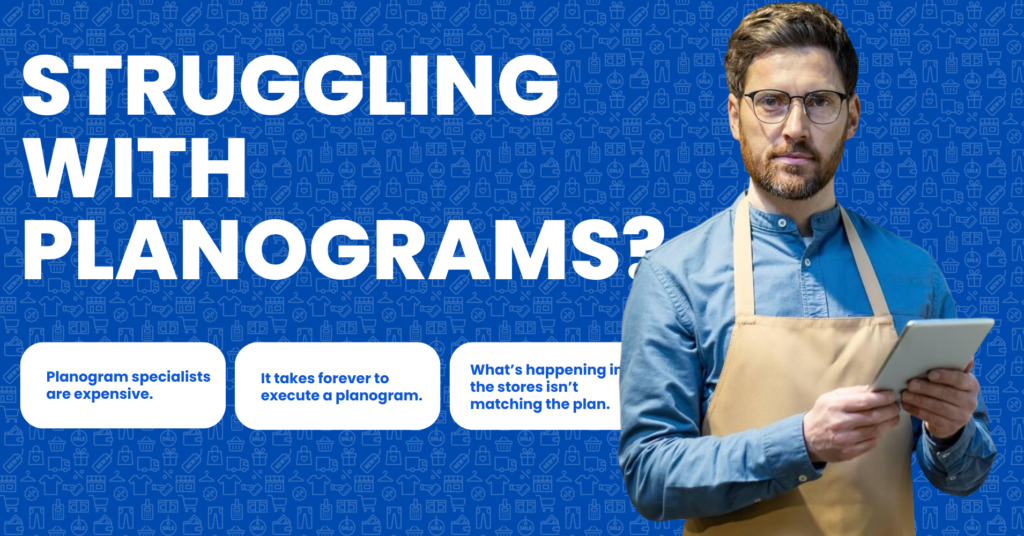
In the bustling world of retail, poorly executed planograms can silently but significantly undermine your profitability. While this issue might seem minor at first glance, its impact can ripple across your entire business, leading to lost sales and decreased customer satisfaction. If you’re struggling with this challenge, you’re not alone, and there is a solution.

How to Read a Planogram: A Step-by-Step Guide

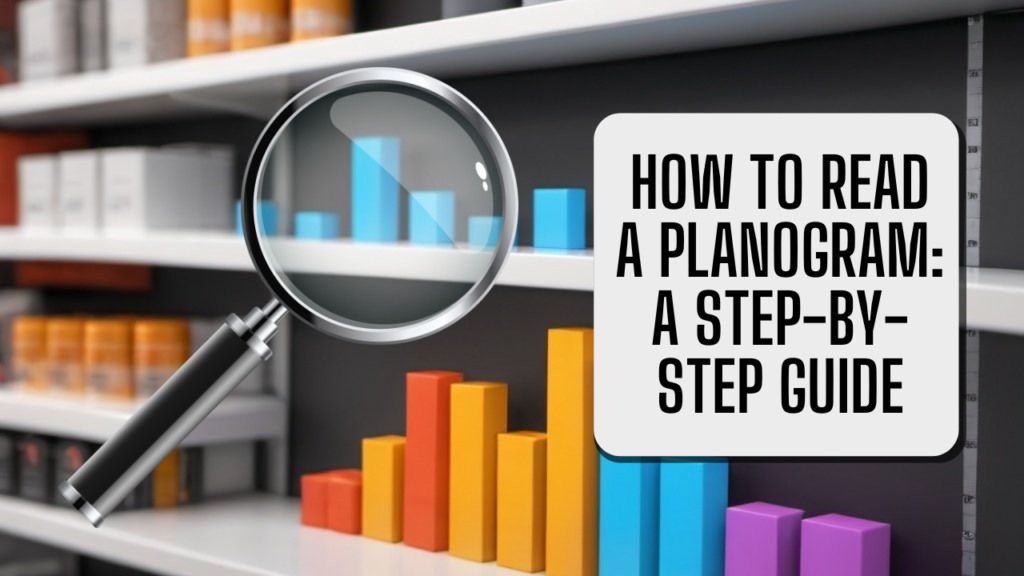
In the fast-paced world of retail, efficiency and precision are key to driving sales and enhancing the customer experience. One of the essential tools used by retailers to achieve these goals is the planogram—a detailed visual representation of a store’s layout that dictates where and how products should be displayed. Understanding how to read a planogram is crucial for anyone involved in merchandising, from store managers to sales associates. This guide will walk you through the basics, ensuring you can confidently interpret and implement planograms in your store.

The Components of a Planogram: A Detailed Guide for Retail Success

A planogram is more than just a visual representation of a store’s layout; it is a strategic tool that can significantly influence customer behavior and drive sales. By understanding and effectively utilizing the various components of a planogram, retailers can optimize their shelf space, ensure product visibility, and create a consistent shopping experience across all locations.

The Basics of Planograms: What Every Retailer Needs to Know

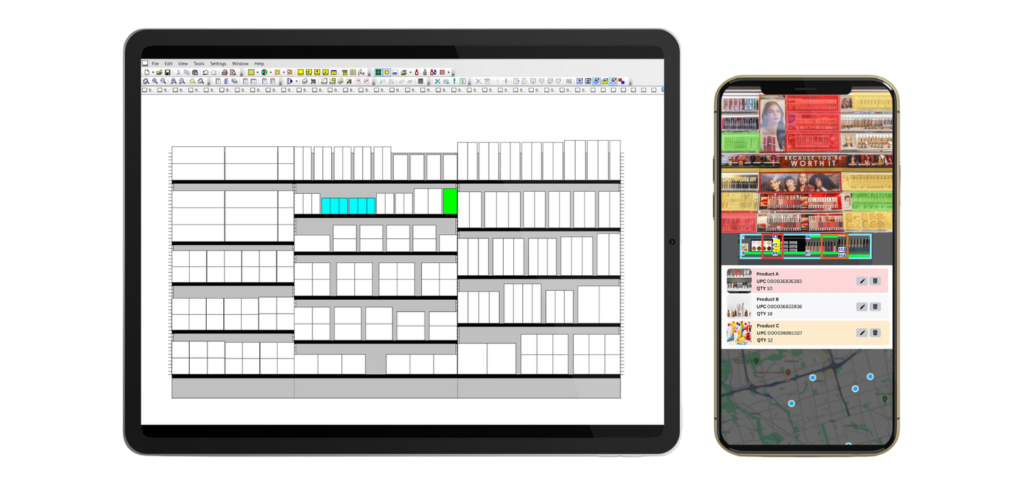
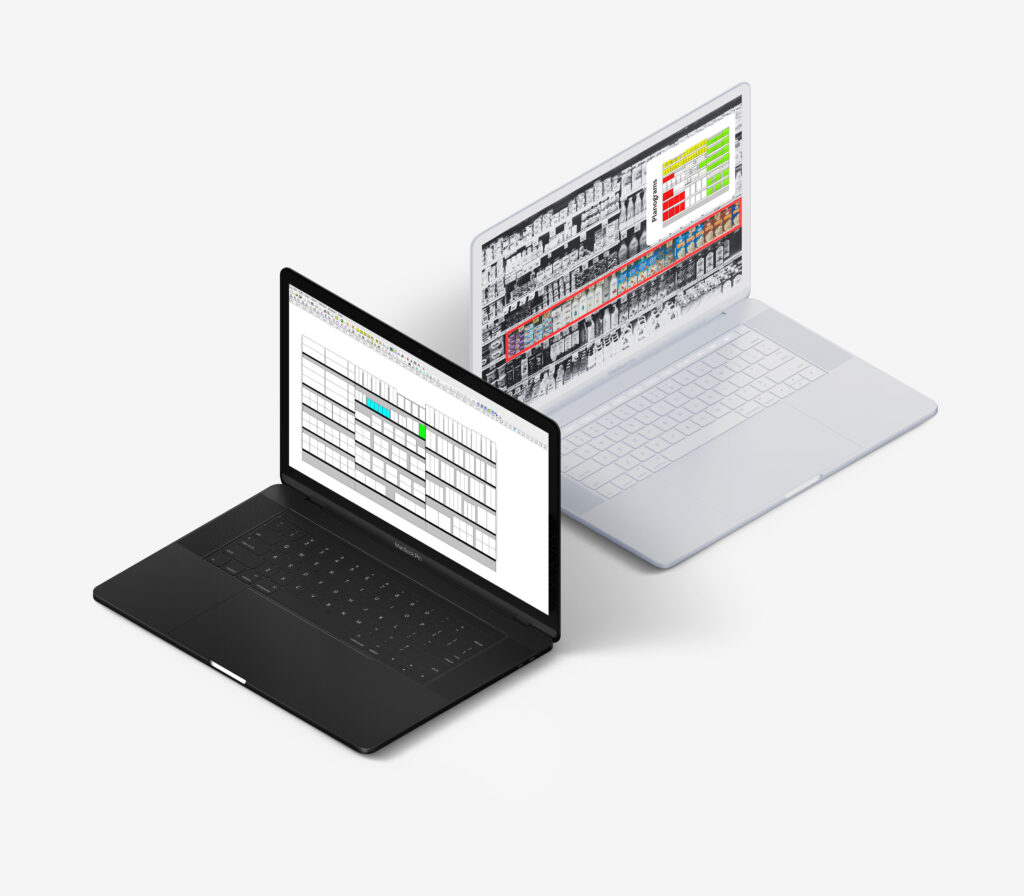
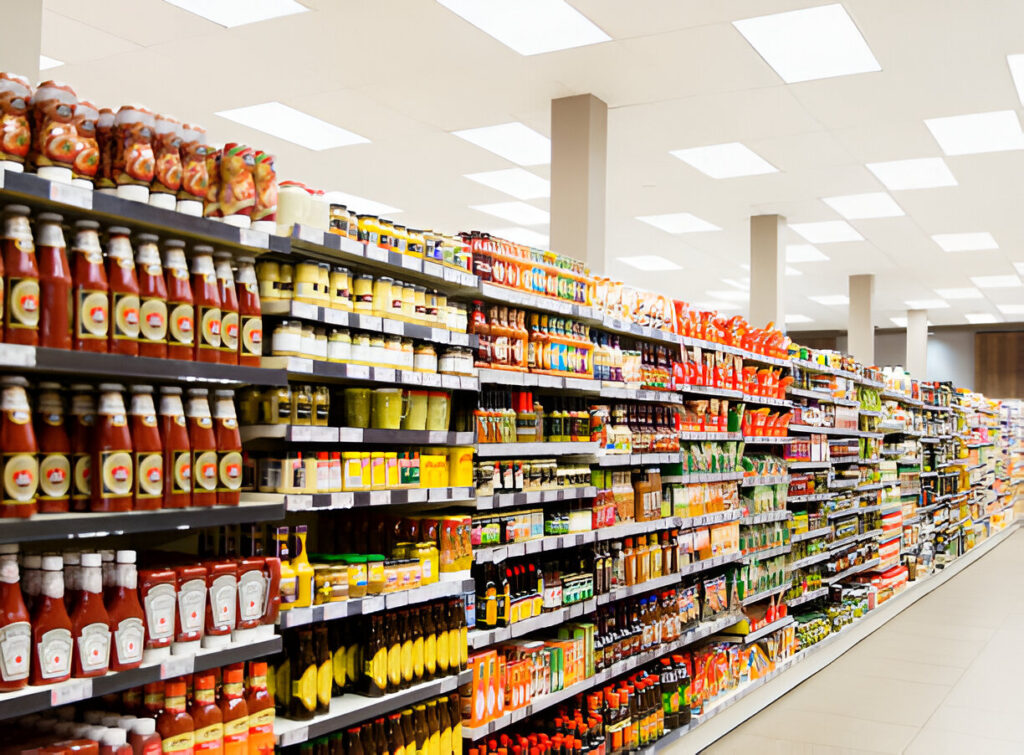
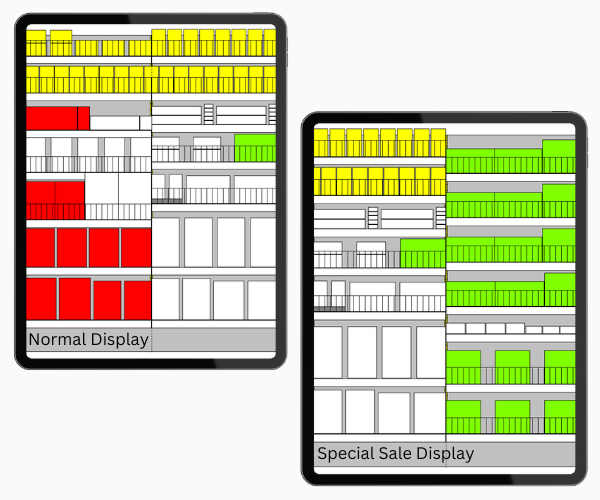
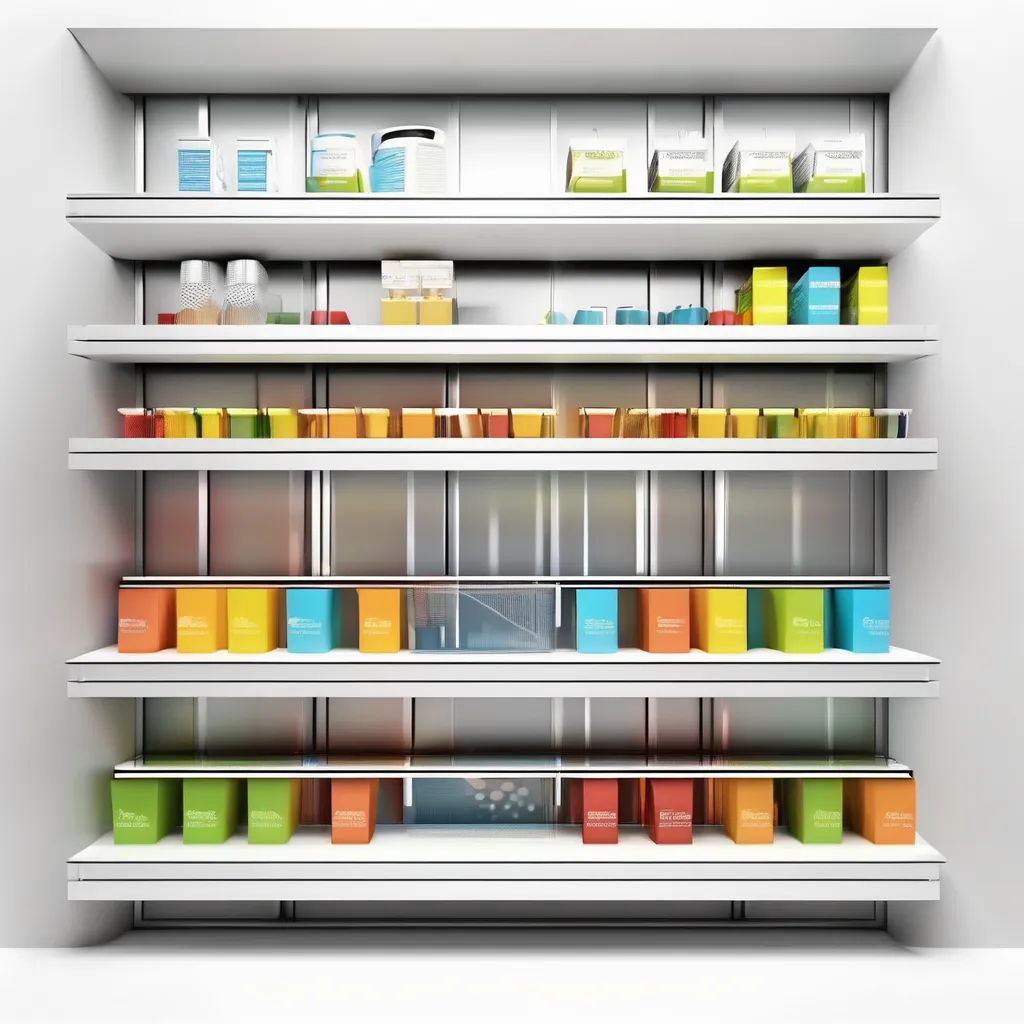
A planogram is a visual tool used in retail to plan the placement of products on shelves and displays. Essentially, it’s a detailed diagram or model that indicates where each product should be placed, down to the specific shelf or peg. Planograms serve as a guide for store staff to ensure that products are consistently displayed across different locations, maximizing the visibility and accessibility of items to customers.

The Importance of Having a Strong Shelving Strategy and Planograms

Planograms are the backbone of an effective shelving strategy. These visual tools provide a blueprint for product placement, ensuring consistency across all retail locations. By using planograms, retailers can standardize the shopping experience, making it predictable and reliable for customers, regardless of the store they visit.

Why Hiring a Planogram Agency is a Smart Move 

In the ever-evolving retail landscape, effective merchandising is essential for driving sales and enhancing the customer experience. One of the key elements of successful retail strategy is the planogram—a visual representation of how products should be displayed on shelves.

The Financial Impact of Poor Planogram Execution

A well-executed planogram ensures that products are displayed optimally to maximize sales, streamline inventory management, and enhance the customer shopping experience. Conversely, poor planogram services can lead to substantial financial repercussions. Here’s a look at how ineffective planogram execution can affect a retailer’s bottom line.

Mastering Planogram Strategy for Retail Compliance: A Comprehensive Guide

Planogram strategy serves as the backbone of effective retail merchandising, guiding the placement and presentation of products to optimize sales and enhance the customer experience. However, ensuring compliance with these strategies across diverse retail environments presents a significant challenge for brands.

What Is A Planogram & How Is It Used? 

The main purpose of Planogram is to increase sales by grouping and organizing products in a way that not only creates beautiful and interesting displays but also organizes and presents the products by their profitability.

English